
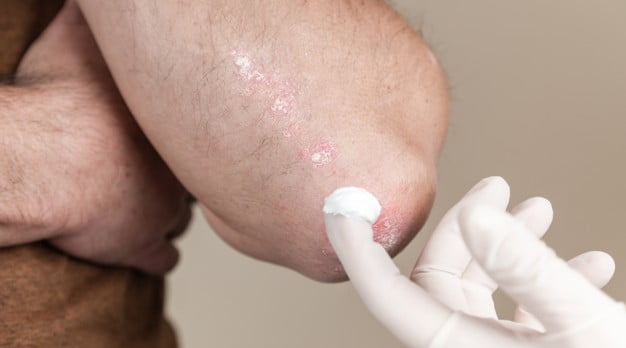
Eczema is also known as Atopic Dermatitis (AD) or Atopic Eczema. It is a chronic condition that can exacerbate in occasions and consist of desquamative and itchy lesions. More common in children but can also be presented in adulthood. This condition is associated with a family history of allergy, asthma, atopy, and atopic dermatitis.
What are the symptoms of Eczema?
- Itchiness that can exacerbate during the night.
- Skin that feels thicker, flaky, and cracked.
- On some occasions, you can observe blisters with clear fluid.
- The lack of natural hydration factors causes dry skin; hence the skin function is altered and prone to infections.
- Sensitive and redness in skin caused by constant scratching.
What are the most affected areas?
The most affected areas with dermatitis are ankles, feet, hands, wrists, eyelids, neck, chest, inner part of knees, elbows, and scalp.
How to treat Eczema?
There is no definitive cure for this condition; so what we’re treating here are the symptoms; most of them can persist for a long time, so treatments usually last for long periods.
Here you have some recommendations to treat your Eczema:
- Medications: corticosteroid creams treat this condition; however, their prolonged use can be harmful.
- Consider Phototherapy when typical and oral treatment doesn’t show improvement.
- Apply moisturizer at least twice a day, avoid products with fragrance and strong ingredients.
- Minimize exposure to known triggers (strong detergents, pollen, stress, sweat).
- Avoid particular food like milk, eggs, soy, and wheat.
- Only use hypoallergenic soaps and avoid the ones with a strong fragrance.
When should you look for Doctor’s help?
You should contact your doctor as soon as possible if none of the previous recommendations improve the conditions; or if Eczema limits your daily activities and show localized infection (redness, swelling, pain, fever, pus).
Recommended Articles:

 or Atopic Eczema. It is a chronic condition that can exacerbate in occasions and...)