
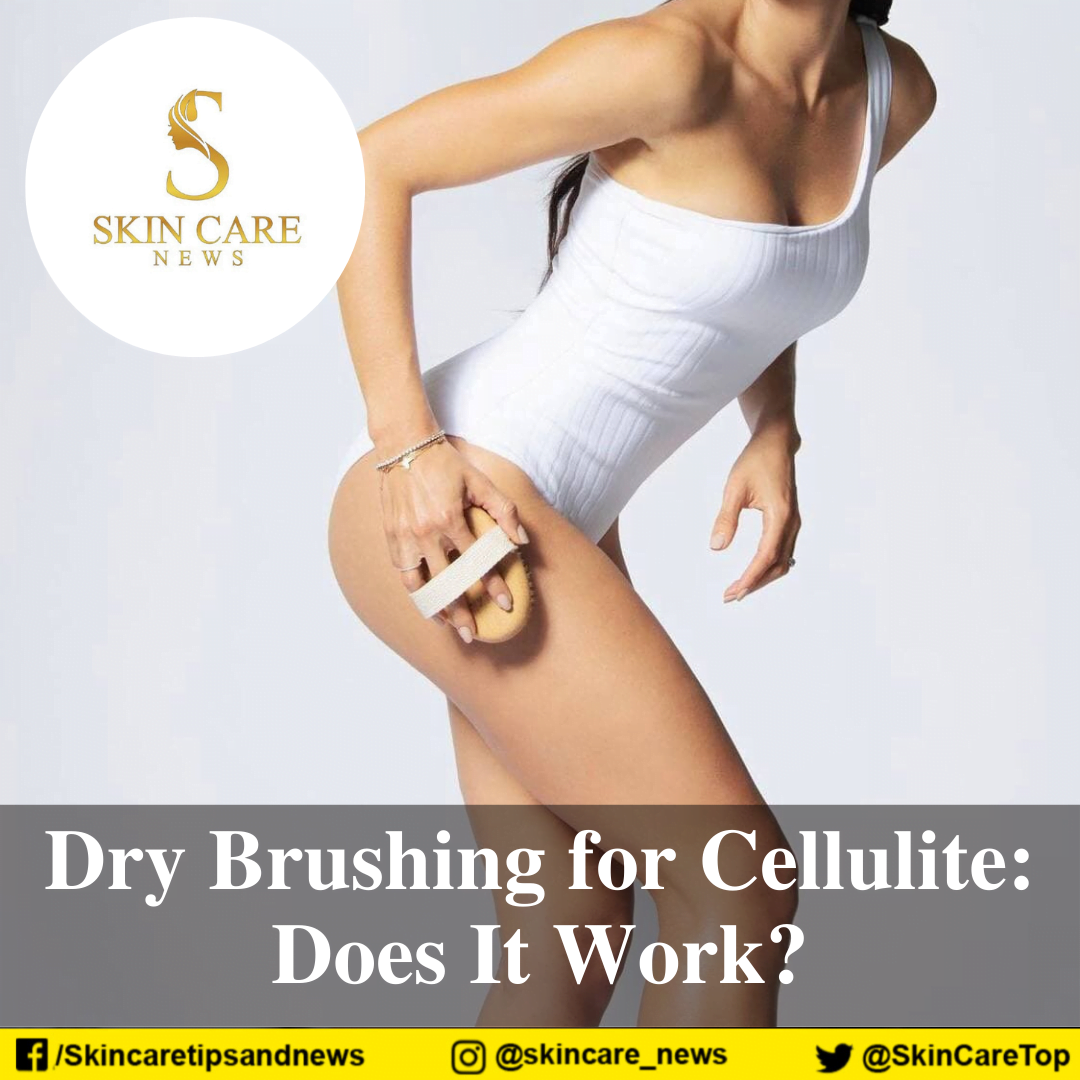
Dry brushing is a natural skin care technique that’s thought to have a number of benefits, including the exfoliation of dead skin cells and the ability to stimulate your circulatory and lymphatic systems.
According to some practitioners, dry brushing may even be effective at diminishing the look of cellulite. But is there solid evidence to back this claim?
The answer is an emphatic no. For now, there’s no evidence that dry brushing reduces or eliminates cellulite — but that doesn’t mean you should avoid this treatment altogether.
Let’s get into the benefits of dry brushing and how to do it safely. And, if you want to know what may help with cellulite, we cover that too.
Can it help with cellulite?
Cellulite is completely normal. In fact, around 80 to 90 percent of women develop cellulite in one or more areas around the hips, buttocks, or thighs after puberty.
Doctors confirm that while dry brushing may have several benefits, there’s no scientific support for the claim that it treats, reduces, or eliminates cellulite on the body.
It’s possible that immediately after a vigorous session of dry brushing, increased blood flow may briefly plump up your skin, but the effect is temporary.
Cellulite is caused by taut bands of connective tissue that attach your skin to underlying muscle tissue. As fat cells naturally build in the space between your muscles and skin, they push out the skin, but the tense connective tissues do not release.
The result of the push-pull between fat cells and connective tissue under the skin’s surface causes the dimpled, orange peel-like appearance that’s known as cellulite. Since dry brushing doesn’t relax those connective tethers under the skin, it doesn’t affect cellulite.
Does dry brushing have other benefits?
Absolutely. While it doesn’t reduce cellulite or redistribute fat cells more evenly, dry brushing can help:
- exfoliate your skin, removing dry and dead skin cells
- stimulate circulation
- make you feel more relaxed or invigorated
Some people enjoy the sensation of the bristles on their skin. And, if performed gently, dry brushing can leave you feeling as though you’ve had a light, Swedish-style massage.
How to use a dry brush safely
If you’d like to give this ancient skin care practice a try, here are some tips for dry brushing safely:
- Dry brush enthusiasts generally recommend that you choose a brush made with natural bristles: sisal, boar, and cactus are popular choices. Test the bristles first: You want a brush that doesn’t leave red marks, welts, or scratches on your skin.
- Step out of your clothes — dry brushing is done on bare skin.
- If you want a hint of fragrance, you can mix coconut, jojoba, or argan oil with a drop or two of your favorite essential oil, and dab the mixture on the bristles before you begin.
- Beginning at your feet, brush upward with gentle strokes from your foot toward your thighs. Brush up the front, back, and sides of one leg, then continue with the other leg.
- Next, brush over your hips and buttocks, switching to small circular strokes if it’s easier.
- Then, brush your arms one at a time, starting at your hand, and moving toward your shoulder. You may find that a long-handled brush helps you brush your back and shoulders.
- Use care when brushing over the tender skin on your stomach. Skip your nipples altogether.
- If you have a smaller brush, use it to gently brush the skin on your neck and face.
- Brush right before you plan to bathe or shower, as skin cells will be loosened in the process and you can rinse them away afterward.
Read more: https://www.healthline.com
Also Read: Supplements That Can Help Promote Breast Growth
Benefits of Botox and Fillers Combination Treatment
This is how cigarettes can affect your skin
For more Skincare news and Beauty latest updates please Like and Follow our Facebook Page and Instagram account…