
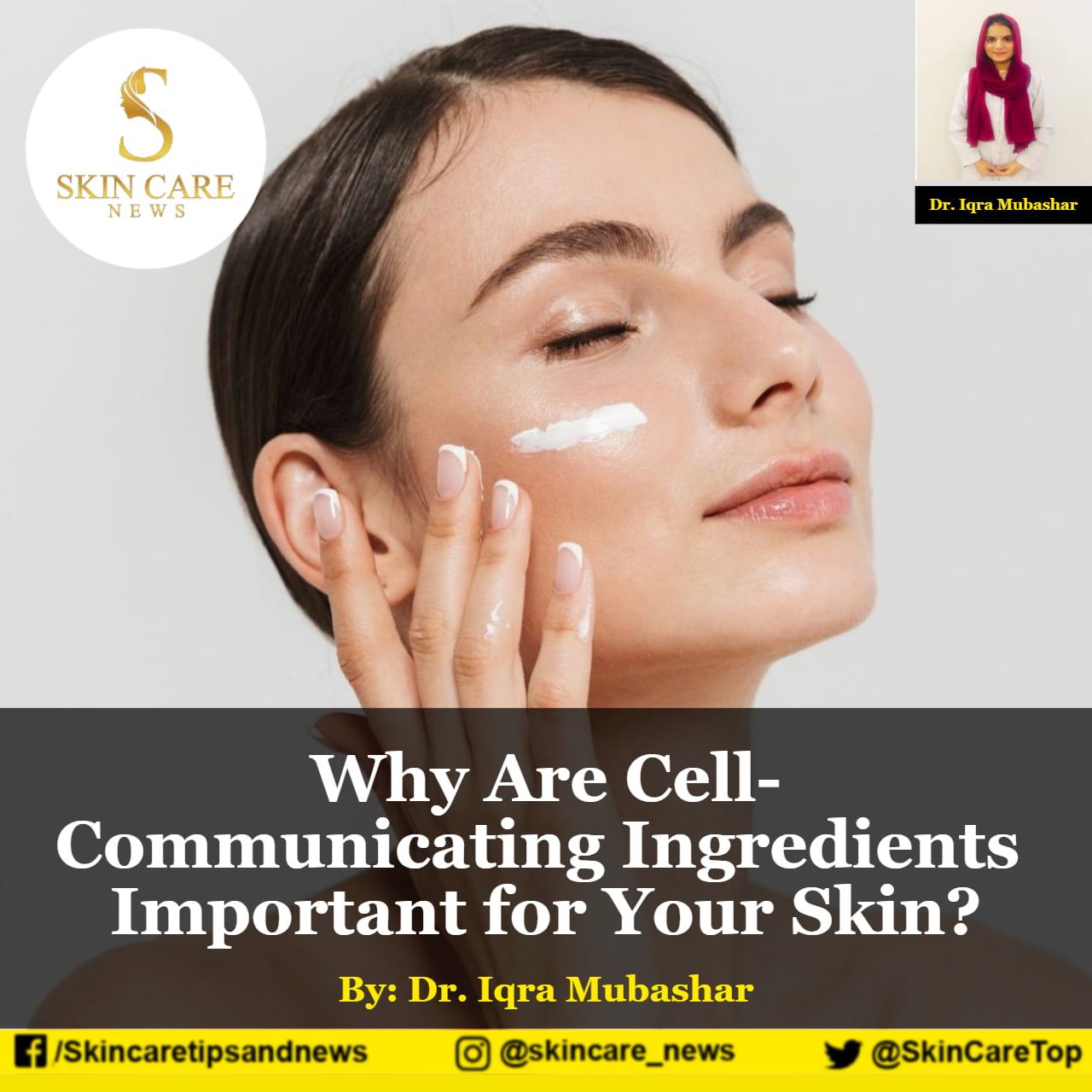
If you are really a skincare enthusiast, you must have known cell-communicating ingredients. They are often recommended for your routine. Let’s find out what they are and why they are important for your skin.
Our cells are physically bound in our bodies. For communication, they secrete several chemicals that act as a messenger between them. This process is called intracellular communication occurs in our skin. However, several exogenous molecules can interfere with normal cell communication, and we use them for our own benefit. Some of them are stated as:
Retinoids:
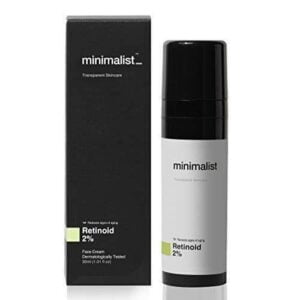
Retinoids are vitamin A derivatives. They perform their function by weakening intracellular communication, loosening the keratocytes connections, and increasing cell turnover. This whole process helps in keeping skin fresh and youthful.
Peptides:
Peptides are another essential cell-communicating ingredient. They mimic the natural peptides communicating function and induce the production of skin proteins like collagen and elastin. Some inhibitory peptides also play an inhibitory function by stopping the protease enzymes that break down the proteins.
Niacinamide:
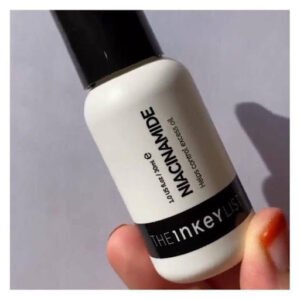
Niacinamide is another amazing ingredient that works by interfering with the transport of melanosomes, thus treating hyperpigmentation. It also plays its role in sebum production regulation. So it is another cell-communicating ingredient that is worth adding to your skincare.
Also Read: What Are Ombre Lips, Can You Create That Look?
For more Skincare news and Beauty latest updates please Like and Follow our Facebook Page and Instagram account…
 About the Author: Dr. Iqra Mubashar is a registered Pharmacist originally from Lahore, Pakistan. She has earned her pharmacy degree from the University of veterinary and animal sciences, Lahore. She has completed her internship as a trainee from Children hospital, Lahore. She has completed her research work in clinical pharmacy and pharmaceutics. She has worked as a healthcare documentation head in Al-Qasim enterprises, Islamabad. She has specialized in prescription handling, drugs information, literature research, patient counseling, and pharmaceutical care planning. Her research work on coronavirus is under publication.