

Vitiligo is a skin condition that affects people of all ages, including children. It is a long-term skin disorder characterized by the loss of pigment in patches on the skin. It can be a challenging condition for children to cope with, as it can affect their appearance and self-esteem. In this article, we will discuss the early symptoms and causes of vitiligo in children.
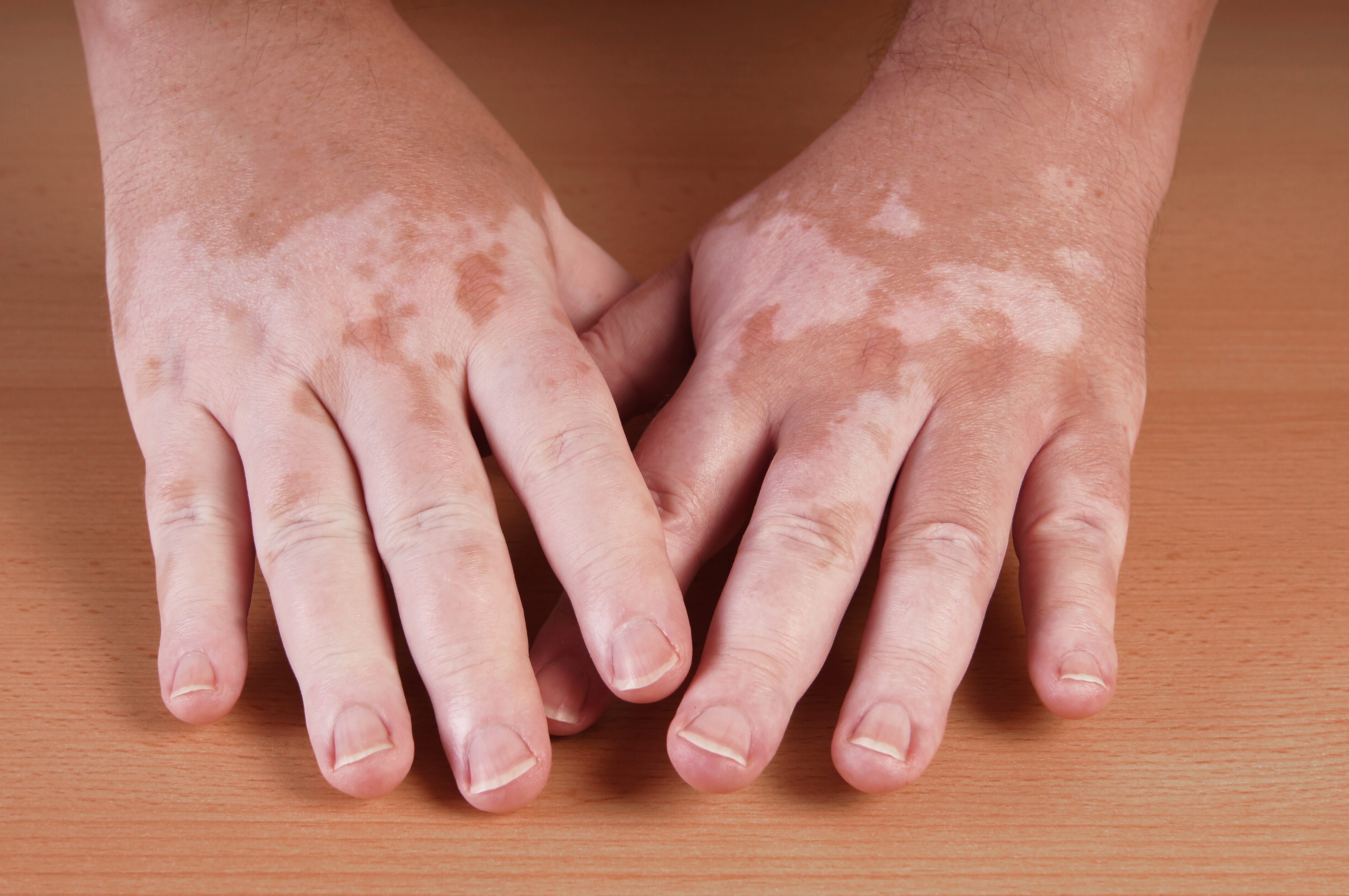
Early Symptoms of Vitiligo in Children The most common symptom of vitiligo is the appearance of white patches on the skin. These patches can appear anywhere on the body, but they are most commonly found on the face, neck, and hands. The patches can be small or large, and they may grow or spread over time.
Other early symptoms of vitiligo in children may include:
- Premature greying of hair or loss of hair on the scalp, eyelashes, or eyebrows
- Changes in the color of the retina in the eyes
- Sensitivity to the sun
- Dry and itchy skin in the affected areas
- Changes in the color of the mucous membranes inside the mouth or nose
It is important to note that the symptoms of vitiligo can vary from child to child, and some children may not experience any symptoms at all.
Causes of Vitiligo in Children The exact cause of vitiligo is still unknown. However, researchers believe that it is an autoimmune disorder, which means that the body’s immune system attacks and destroys the melanocytes (pigment-producing cells) in the skin. The loss of melanocytes causes the skin to lose its color and develop white patches.
It can also be hereditary, which means that it can be passed down from parents to their children. Children with a family history of vitiligo are more likely to develop the condition themselves.
Other factors that may contribute to the development of vitiligo in children include:
- Exposure to chemicals or toxins
- Sunburn or other skin damage
- Viral infections
- Psychological stress
Diagnosis and Treatment of Vitiligo in Children If you suspect that your child has vitiligo, it is important to seek medical attention as soon as possible. A dermatologist can diagnose vitiligo by examining the affected areas of the skin and performing a skin biopsy if necessary.
There is no cure for vitiligo, but there are treatments available that can help to manage the condition and improve the appearance of the skin. The most common treatments for vitiligo in children include:
- Topical corticosteroids – These are creams or ointments that can be applied directly to the affected areas of the skin. They work by reducing inflammation and slowing down the immune system’s attack on the melanocytes.
- Narrowband UVB phototherapy – This treatment involves exposing the affected areas of the skin to UVB light. The UVB light stimulates the production of melanocytes and can help to restore the skin’s color.
- Excimer laser therapy – This treatment uses a high-energy laser to stimulate the production of melanocytes in the affected areas of the skin.
- Skin grafting – This is a surgical procedure that involves removing healthy skin from one part of the body and transplanting it to the affected areas of the skin.
In addition to these treatments, it is important for children with vitiligo to protect their skin from the sun and avoid exposure to chemicals and toxins that can exacerbate the condition.
For more Skincare news and Beauty latest updates please Like and Follow our Facebook Page and Instagram account…
Read Also: Unlocking the Secrets to Fuller Eyelashes: 7 Natural Remedies