

Are you afraid of intense exfoliators like AHAs and BHAs, or do you have sensitive skin? Gluconolactone is here to save you. Keep reading to know more about this beauty ingredient.
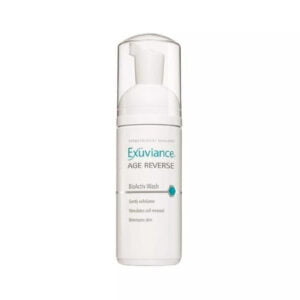
Gluconolactone is one of the polyhydroxy acids. Unlike AHAs and BHA, polyhydroxy acids and particularly gluconolactone, are very gentle on the skin especially for sensitive skin. It is so gentle and mild that you can use it daily, but it is advised to use it on alternate days if you are using it for exfoliation only.
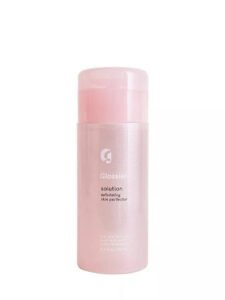
Hydrates the Skin
It removes dead skin, improves skin texture, and brightens complexion and tone. Extra hydroxyl groups give it a large structure that can’t penetrate deep into the skin but act as a humectant; that is why, it keeps the skin hydrated by attracting water
Antioxidant and Antimicrobial
It has antioxidant properties, fights free radicals, gives anti-aging effects, and combats UV damage. It has antimicrobial properties and removes excess oils from the skin, so it is an excellent choice for oily and acne-prone skin.
Note:
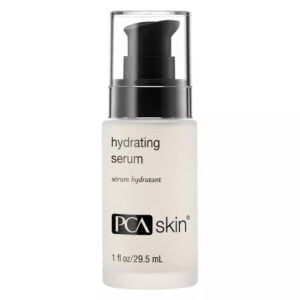
It is available in serums, moisturizers, cleansers, etc. Although it is very mild and gentle, it might cause redness and dryness. Also, you shouldn’t apply it to your skin if you have atopic dermatitis. It is always better to consult your pharmacist before choosing a new product. Try it on a small area to do a patch test before applying it to your face.
Also Read: Is It Worth Taking Collagen Supplements for Skin Benefits?
For more Skincare news and Beauty latest updates please Like and Follow our Facebook Page and Instagram account…

About the Author: Dr. Iqra Mubashar is a registered Pharmacist originally from Pakistan, Lahore. She has earned her pharmacy degree from the University of veterinary and animal sciences, Lahore. She has completed her internship as a trainee from Children hospital, Lahore. She has completed her research work in clinical pharmacy and pharmaceutics. She has worked as a healthcare documentation head in Al-Qasim enterprises, Islamabad. She has specialized in prescription handling, drugs information, literature research, patient counseling and pharmaceutical care plans. Her research work on coronavirus is under publication.