
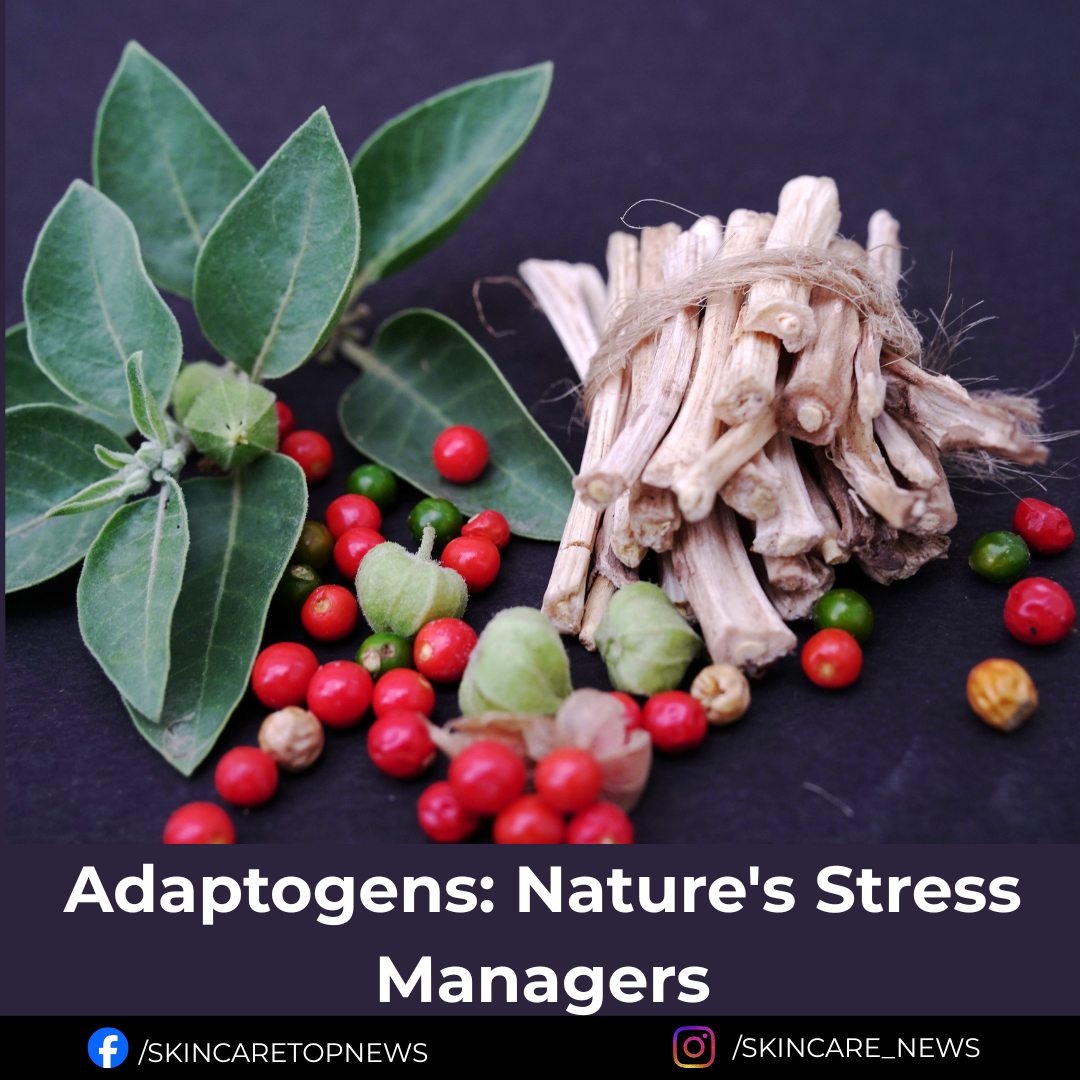
Adaptogens are a unique class of natural substances, primarily from herbs and mushrooms, that are believed to help the body resist and recover from various forms of stress—be it physical, chemical, or biological. They are celebrated for their ability to promote homeostasis (balance) without being overtly stimulating or sedating.
💡 What Defines an Adaptogen?
To be officially classified as an adaptogen, a substance must generally meet three criteria, first formalized by Soviet scientists in the 1940s and 50s:
- Non-toxic: It must be relatively non-toxic when taken in normal therapeutic doses.
- Stress Resistance: It must help the body increase its non-specific resistance to diverse stressors.
- Normalizing Effect: It must have a normalizing or balancing effect on the body, helping to restore equilibrium.
🔬 How Do They Work? The Science of Stress
Adaptogens are thought to work primarily by influencing the hypothalamic-pituitary-adrenal (HPA) axis and the sympathoadrenal system (SAS)—the body’s central stress response pathways.
- HPA Axis Modulation: The HPA axis regulates the production of cortisol, often called the stress hormone.Prolonged, chronic stress can lead to HPA axis dysregulation and chronically high cortisol.Adaptogens are believed to help modulate and normalize cortisol levels, reducing the damaging effects of a prolonged “fight-or-flight” response.
- General Adaptation Syndrome (GAS): In a stressful situation, the body goes through the GAS stages: Alarm, Resistance, and Exhaustion. Adaptogens are thought to effectively lengthen the Resistance phase, allowing the body to cope with stress for longer and mitigating the onset of the debilitating Exhaustion phase.
- Cellular Protection: They may also work at a molecular level by influencing the expression of molecular chaperones (like HSP70) and reducing oxidative stress, which protects cells from damage caused by chronic stress.
🌿 Common & Well-Studied Adaptogens
| Adaptogen | Traditional Use & Primary Benefits | Key Research Support |
| Ashwagandha (Withania somnifera) | Stress/Anxiety reduction, sleep improvement, vitality, anti-inflammatory. | Strong clinical support for reducing cortisol, anxiety, and improving sleep quality. |
| Rhodiola Rosea ( Golden Root) | Anti-fatigue, enhanced mental performance, mood improvement, physical endurance. | Studies show benefits in reducing fatigue and improving mental clarity and performance in stressful situations. |
| Ginseng (Panax ginseng – Asian; Panax quinquefolius – American) | Combats fatigue, boosts energy, enhances cognitive function, immune support. | Supports physical performance and can help reduce mental and physical fatigue. |
| Eleuthero (Eleutherococcus senticosus) | Stress relief, anti-fatigue, immune system support, physical endurance. | Known to enhance resistance to stress and improve working capacity. |
| Holy Basil (Tulsi) | Mood stabilization, anxiety reduction, immune support, anti-inflammatory. | Associated with decreasing stress and anxiety and improving cognitive function. |
✅ Potential Benefits
While research is still ongoing, especially in large-scale human trials, adaptogens are commonly used for and show promise in:
- Stress & Anxiety Relief: Helping the body better manage and recover from the physical and mental strain of stress.
- Combating Fatigue: Increasing resistance to both physical and mental exhaustion.
- Improving Cognitive Function: Supporting focus, attention, and memory, particularly under stress.
- Immune System Support: Modulation of the immune response.
- Mood Regulation: Alleviating symptoms of depression and anxiety.
Adaptogens are generally considered safe for most healthy people when taken at normal dosages, but it is crucial to exercise caution:
- Drug Interactions: Some adaptogens can interact with medications, particularly blood thinners, diabetes medications (due to their potential to lower blood sugar), and immunosuppressants (due to their potential to boost the immune system).
- Specific Populations: They are generally not recommended for pregnant or breastfeeding women or children due to a lack of safety data.
- Quality Control: The supplement market is not strictly regulated. Look for products with third-party verification (like USP or NSF) to ensure quality, potency, and safety.
- Consult a Professional: Always consult with a healthcare provider before starting any new supplement, especially if you have pre-existing health conditions or are taking other medications.
Read also:Retinal: The Vitamin A Derivative Powering Skin and Vision