
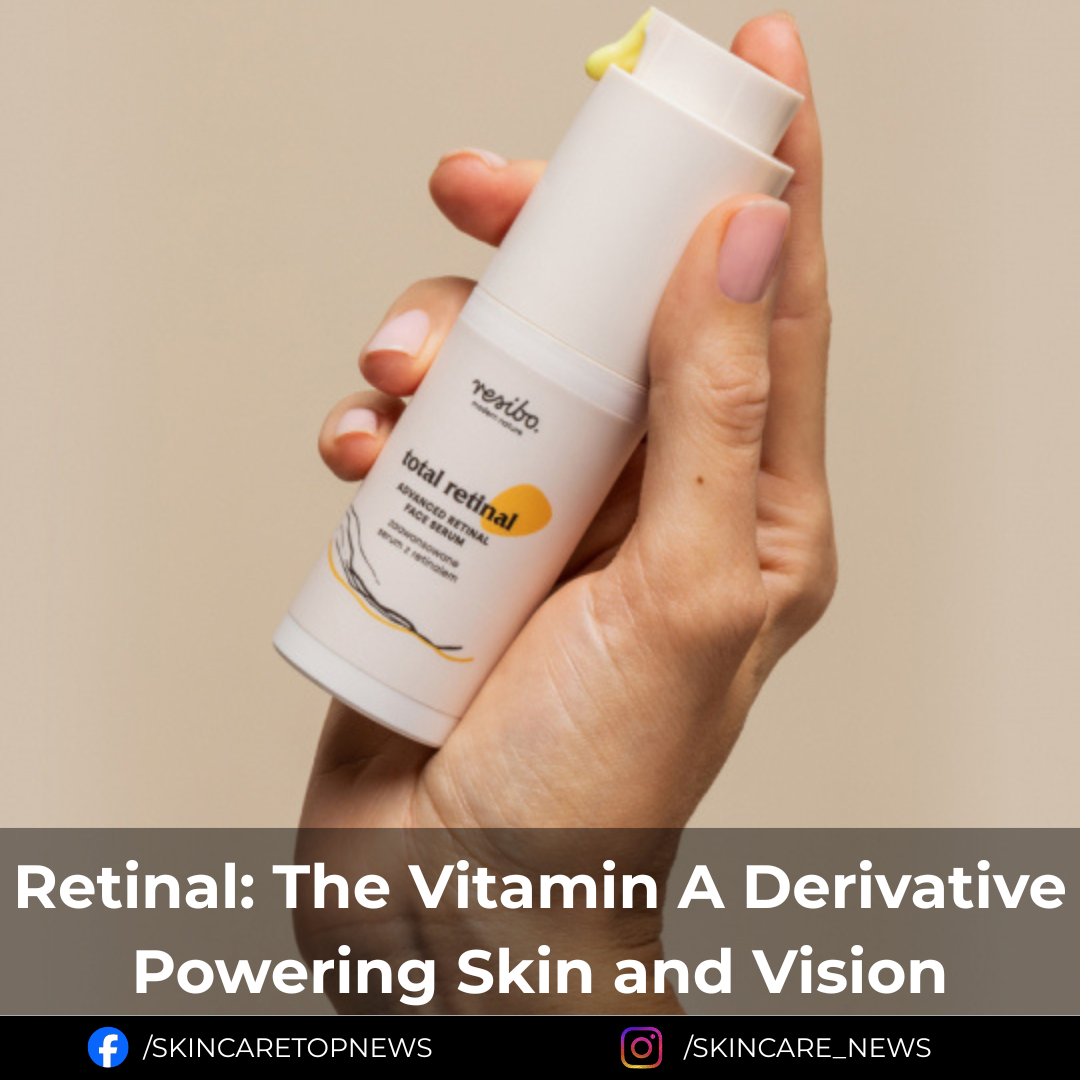
When we talk about Vitamin A in skincare and health, most people think of retinol or retinoic acid. But another powerful and often overlooked form is retinal (also called retinaldehyde)—a compound that plays a crucial role both in our eyes and our skin.
What is Retinal?
Retinal is a natural form of Vitamin A aldehyde, found in the body as an intermediate between retinol (Vitamin A alcohol) and retinoic acid (the active acid form). It is especially important in two areas:
Vision: Retinal is essential for low-light and color vision, working as part of the visual cycle in the retina.
Skincare: Retinal is a highly effective anti-aging and skin-renewing ingredient, often described as more powerful than retinol but gentler than prescription-strength retinoic acid.
Buy vitamins and supplements
Key Facts About Retinal
1. Retinal in Vision
Retinal binds with opsin proteins in the eye to form rhodopsin, which allows us to see in dim light.
It shifts shape when exposed to light, triggering nerve signals that the brain interprets as vision.
A deficiency in Vitamin A can cause night blindness, due to lack of retinal in the eye.
2. Retinal in Skincare
Retinal is 11 times more potent than retinol in stimulating skin renewal and collagen production.
It converts directly into retinoic acid in the skin, making it faster-acting than retinol but still less irritating than prescription tretinoin.
Clinical studies show it improves:
Fine lines and wrinkles
Acne and breakouts
Skin texture and tone
3. Stability & Sensitivity
Retinal is more unstable than retinol, meaning it must be carefully formulated in skincare products to prevent breakdown.
Because it is potent, some people may experience mild irritation, redness, or peeling, especially when first introduced.
4. Sources of Retinal
Naturally derived from Vitamin A-rich foods such as liver, eggs, fish, and dairy.
In skincare, it is produced synthetically for stability and consistency.
5. Safety & Use
Retinal should be used at night, since it can increase sun sensitivity.
Always pair with sunscreen during the day.
Best introduced gradually (2–3 times a week, then daily as tolerated).
Not recommended during pregnancy unless approved by a healthcare provider.
Why Choose Retinal Over Retinol?
If you want faster results with less irritation than prescription tretinoin, retinal may be the golden middle ground. It delivers visible improvements in skin texture, fine lines, and acne while being gentler than stronger retinoids.
✨ Bottom line: Retinal is a powerful form of Vitamin A that supports both healthy vision and youthful skin. While less talked about than retinol or tretinoin, it’s a highly effective option for those seeking visible results in their skincare journey.
Read also: Spa-Worthy Tech at Home: Turning Your Space into a Luxe Wellness Retreat