
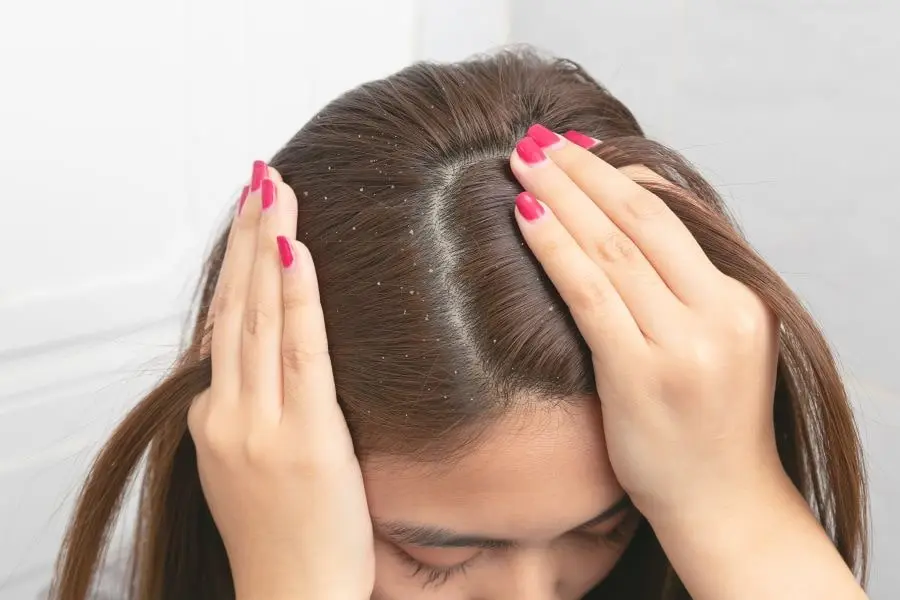
Your scalp is the foundation of your hair, and like any foundation, it is important to determine its type in order to properly care for it. A healthy scalp is the key to healthy hair, and understanding your scalp type is the first step in achieving that.
There are four main types of scalp: normal, oily, dry, and combination. Each type has its own unique characteristics and requires different types of care.
Normal scalp:
A normal scalp is characterized by a balance of oil production. The scalp produces just the right amount of oil to keep the hair healthy and shiny without being too oily or too dry. A normal scalp is typically not itchy or flaky, and hair is generally manageable and easy to style.
If you have a normal scalp, you don’t need to do much to maintain it. A gentle, sulfate-free shampoo and conditioner should be enough to keep your scalp and hair healthy. You can also use a weekly scalp treatment to help exfoliate and refresh your scalp.
Oily scalp:
An oily scalp is characterized by overactive sebaceous glands that produce too much oil. This can make the hair appear greasy and limp, and may even cause an unpleasant odor. Oily scalps are also prone to dandruff and acne.
To care for an oily scalp, use a clarifying shampoo that is specifically designed for oily hair. Avoid using heavy conditioners and hair products that can weigh down your hair and make it look greasier. Try to avoid touching your hair and scalp throughout the day, as this can transfer oils from your hands to your hair.

Dry scalp:
A dry scalp is characterized by a lack of natural oils, which can lead to itching, flaking, and even dandruff. Hair may also appear dull and lifeless, and may break easily.
To care for a dry scalp, use a moisturizing shampoo and conditioner that is specifically designed for dry hair. Avoid using hot water to wash your hair, as this can strip your scalp of its natural oils. You can also use a scalp oil or serum to help hydrate your scalp and promote healthy hair growth.
Combination scalp:
A combination scalp is characterized by both oily and dry areas on the scalp. The T-zone area (forehead, nose, and chin) tends to be oily, while the rest of the scalp is dry. Hair may appear greasy near the roots and dry near the ends.
To care for a combination scalp, use a gentle, sulfate-free shampoo and conditioner that is designed for both oily and dry hair. Use a scalp treatment once a week to help exfoliate and refresh your scalp. You may also want to consider using a dry shampoo to help absorb excess oil on the days when you don’t wash your hair.
In addition to the four main scalp types, there are also other scalp conditions that can affect the health of your scalp and hair. These include:
- Psoriasis: a skin condition that causes red, scaly patches on the scalp.
- Seborrheic dermatitis: a skin condition that causes red, itchy, and flaky patches on the scalp.
- Alopecia areata: an autoimmune disorder that causes hair loss in small, circular patches on the scalp.
If you suspect that you may have any of these conditions, it is important to see a dermatologist for a proper diagnosis and treatment.
In conclusion, understanding your scalp type is the first step in achieving healthy, beautiful hair. By using the right products and adopting healthy hair habits, you can keep your scalp and hair looking and feeling their best. Whether you have a normal, oily, dry, or combination scalp, taking care of it is essential for maintaining healthy hair.
For more Skincare news and Beauty latest updates please Like and Follow our Facebook Page and Instagram account…
Read Also: A Closer Look: The Thinner, More Sensitive Nature of Baby Skin