
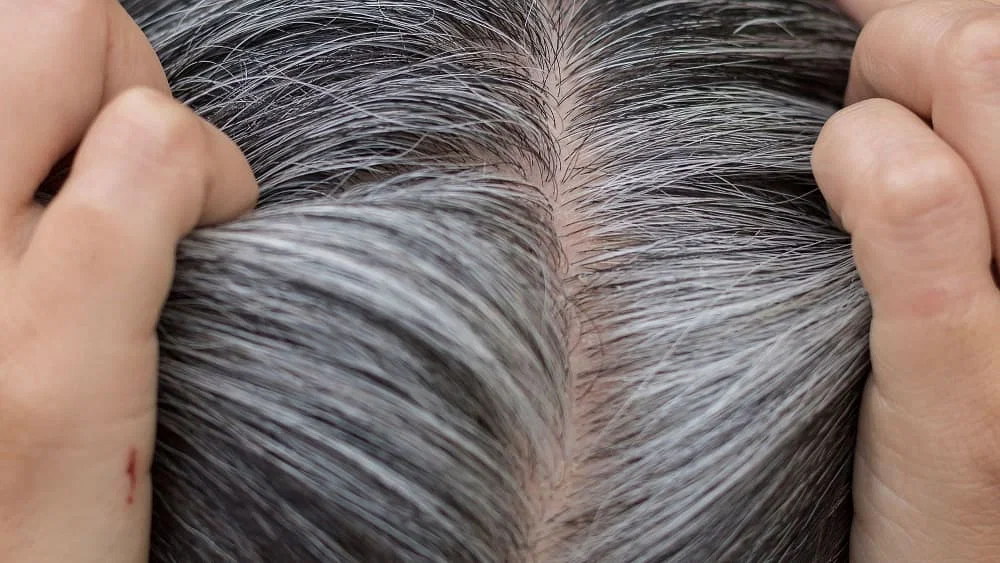
Hair turns grey is often associated with aging, but what if you start noticing those silver strands at a surprisingly young age? Premature greying is a common concern for many individuals, and it can be attributed to a variety of factors. While genetics play a significant role, several other factors, such as stress, lifestyle choices, and medical conditions, can contribute to premature greying. In this article, we will explore the reasons why your hair may turn grey at a young age.
1. Genetics:
Genetics is a major determinant of when and how your hair will turn grey. If your parents or close relatives experienced premature greying, there is a higher chance that you will too. Researchers have identified specific genes, such as the IRF4 gene, which influence hair pigmentation and are associated with premature greying. Genetic factors can accelerate the depletion of melanocytes, the cells responsible for producing melanin, the pigment that gives hair its color.
2. Oxidative Stress:
Oxidative stress occurs when there is an imbalance between the production of free radicals and the body’s ability to neutralize them with antioxidants. Factors like pollution, smoking, and UV radiation can contribute to oxidative stress. Over time, the accumulation of oxidative stress can lead to damage to melanocytes and the early onset of grey hair.
3. Nutritional Deficiencies:
Poor nutrition can also contribute to premature greying. Deficiencies in certain vitamins and minerals, such as vitamin B12, vitamin D, copper, and zinc, can impact melanin production and hair health. A balanced diet rich in fruits, vegetables, lean proteins, and whole grains can help provide the necessary nutrients for healthy hair.
4. Stress:
Chronic stress is known to have a significant impact on various aspects of our health, including hair pigmentation. Stress can disrupt the normal functioning of the body and lead to an accelerated graying process. It is believed that stress triggers the release of stress hormones, which can negatively affect melanocytes and disrupt the production of melanin.
5. Autoimmune Disorders:
Certain autoimmune disorders, such as vitiligo and alopecia areata, have been associated with premature greying. In these conditions, the immune system mistakenly attacks the melanocytes, leading to the loss of pigment in the affected areas. Premature greying may occur in conjunction with these disorders as a result of the autoimmune response.

6. Medical Conditions and Treatments:
Some medical conditions and treatments can contribute to premature greying. Thyroid disorders, such as hyperthyroidism and hypothyroidism, can disrupt the normal hair growth cycle and affect pigmentation. Additionally, certain medications, such as chemotherapy drugs, may cause hair to turn grey or fall out temporarily.
7. Lifestyle Choices:
Unhealthy lifestyle choices can also contribute to premature greying. Excessive smoking and alcohol consumption have been linked to premature greying due to the harmful effects they have on the body, including oxidative stress. Lack of sleep, poor sleep quality, and inadequate hydration can also impact hair health and contribute to premature greying.
While premature greying can be distressing, there are a few steps you can take to slow down the process or manage the appearance of grey hair:
8. Practice Stress Management Techniques:
Incorporate stress management techniques like meditation, exercise, and deep breathing into your daily routine to reduce the impact of stress on your body and hair.
9. Follow a Healthy Diet:
Ensure that your diet includes a variety of nutrient-rich foods to support hair health. Incorporate foods rich in antioxidants, vitamins, and minerals to promote melanin production.
10. Avoid Harsh Hair Care Practices:
Avoid excessive use of heat styling tools, harsh chemicals, and tight hairstyles that can cause damage and breakage. Opt for gentle hair care practices such as using sulfate-free shampoos and conditioners, avoiding frequent heat styling, and minimizing the use of chemical treatments. Treat your hair with care by using wide-toothed combs or brushes with soft bristles to prevent unnecessary damage and breakage.
11. Stay Hydrated:
Drink an adequate amount of water daily to keep your body and hair hydrated. Hydration is essential for maintaining healthy hair and preventing dryness, which can make grey hair appear more prominent.
12. Embrace Your Grey Hair:
If you are already experiencing premature greying, remember that it is a natural part of life. Embrace your grey hair and consider stylish haircuts or hairstyles that can enhance its appearance. Many people find grey hair to be a unique and beautiful feature that adds character to their overall look.
Conclusion
Premature greying of hair at a young age can be influenced by a combination of genetic, environmental, and lifestyle factors. While it may not always be preventable, adopting a healthy lifestyle, managing stress, and taking care of your hair can help slow down the greying process. Remember that greying hair is a normal part of the aging process, and embracing your natural hair color can be a liberating and empowering choice.
For more Skincare news and Beauty latest updates please Like and Follow our Facebook Page and Instagram account…
Also Read: Say Goodbye to Greasy Skin: Tips for Dealing with Your Oily T-Zone