
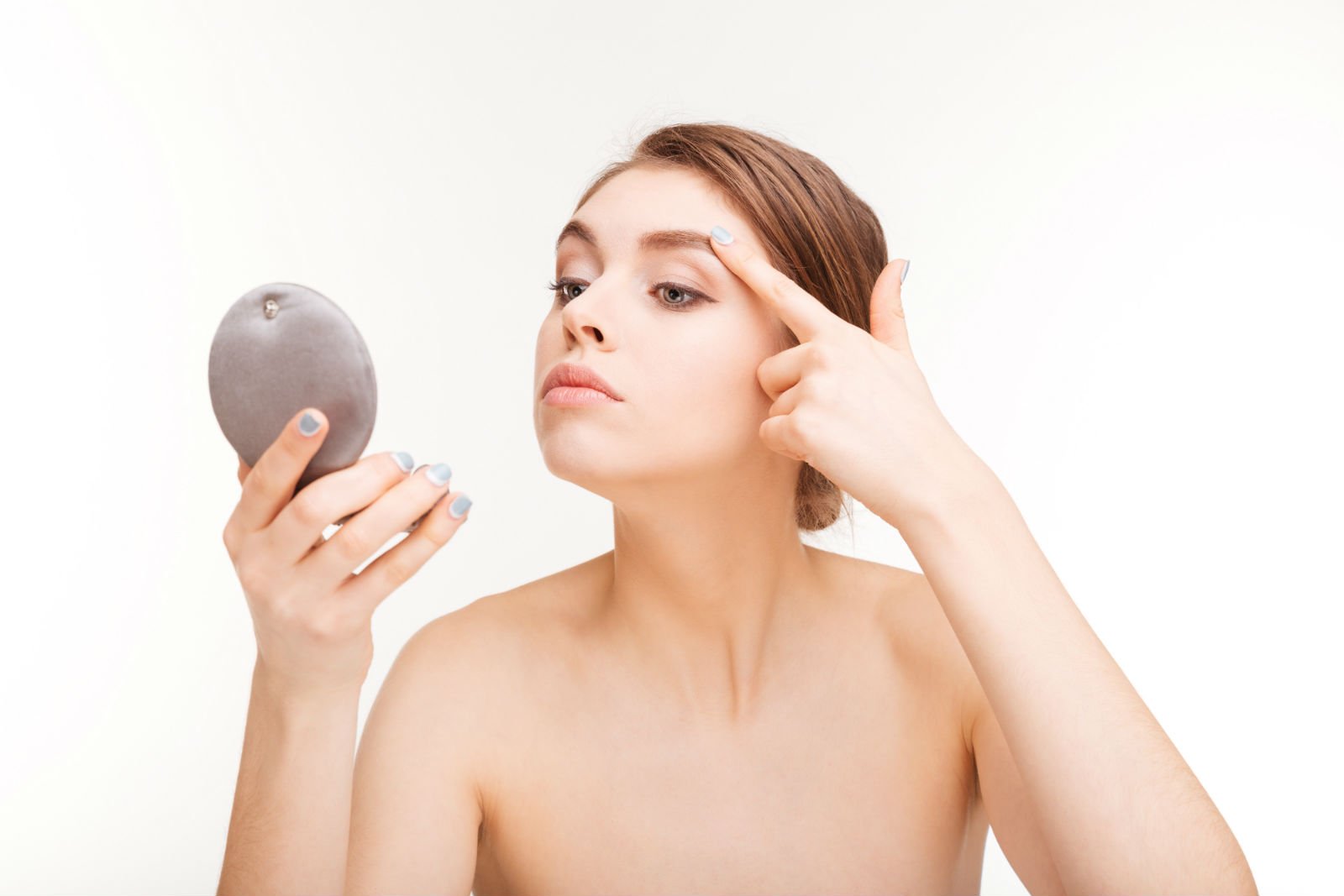
More than 80% of teenagers have acne, so if your youngster manages to get through adolescence with no more than a couple of skin blemishes, she’s one of the lucky few. Contrary to what most people believe, acne is not caused by chocolate, fried foods, candies, or anything else in a teenager’s usual diet. It’s not the result of constipation, nor is it a sign of sexual activity or the lack of it. Instead, it’s caused by increased levels of certain hormones that stimulate the fat glands in skin to step up production of sebum, an oily secretion that lubricates and protects the skin. Sebum, together with cast-off skin cells and other debris, blocks skin follicles, which can become infected or inflamed. The increase in sebum production may occur as early as 2 years before any other signs of puberty, and boys and girls as young as age 9 may have skin bumps and coarsened pores, especially in areas where sebaceous glands are numerous, such as around the nose and the middle of the face.
Acne often runs in families. Most cases are mild, and pimples and zits don’t usually leave permanent scars if the lesions are left alone. Over-the-counter lotions containing benzoyl peroxide can be helpful to prevent minor blemishes and mild to moderate acne. Your pediatrician or dermatologist can prescribe treatment for more severe or persistent acne. Occasionally some girls with severe or persistent acne have an underlying hormone imbalance with excess male hormones.
Oily creams and lotions can block skin follicles and promote sebum buildup. Teenagers should avoid oil-based skin and hair cosmetics and use non-perfumed, water-based products.