
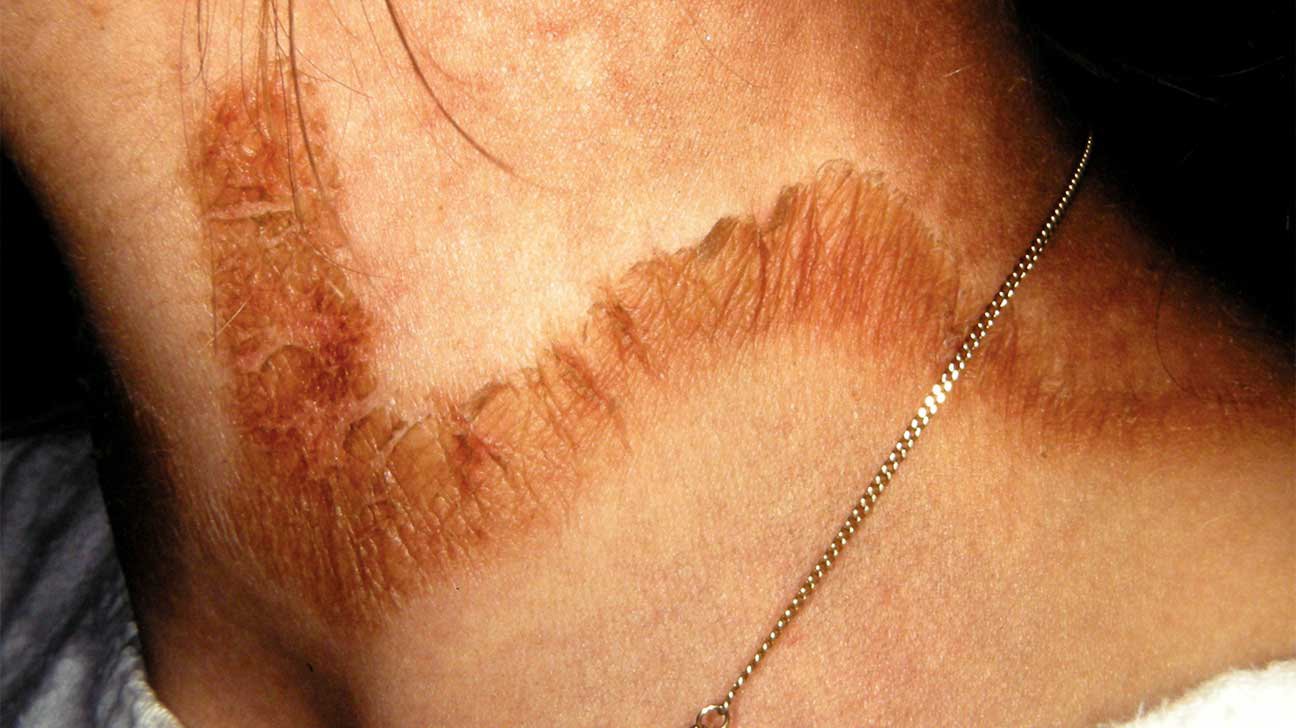
Vitamin B3, referred to as Niacin, is the generic term for Nicotinic acid. This is essential in all cells for energy production, metabolism, and DNA repair. Severe deficiency results in Pellagra.
Health Benefits of Vitamin B3
- Improves Skin Function
- Lowers Bad Cholesterol and Triglycerides
- Increases Good Cholesterol
- Help Prevent Heart Disease
- Help Treat Type 1 Diabetes
- Boosts Brain Function
- Reduce Symptoms of Arthritis
Signs of Vitamin B3 Deficiency
Pellagra includes the triad or “three D’s,” dermatitis, dementia and diarrhea. Similar to a sunburn, brown discoloration, and skin lesions on the skin typically exposed to the sun such as hands, elbows, knees, and feet are present. Initially, neurological changes such as anxiety, poor concentration, fatigue, and depression can manifest, but as pellagra advances, dementia, and delirium may occur. Also, Niacin deficiency causes burning in the mouth and a swollen, bright red tongue.
Healthy food sources of Vitamin B3
You can meet all of your body’s needs for B3 through diet. It is rare for anyone in the developed world to have a B3 deficiency. In the U.S., alcoholism is the main cause of vitamin B3 deficiency.
- peanuts
- fortified breakfast cereals
- quinoa
- muesli
- corn on the cob
- brown rice
- acorn squash
- sunflower seeds
- salmon
Should You Supplement?
Everyone needs niacin, but most people can get enough from their diet alone. However, if you are deficient or have another condition that may benefit from higher doses, your doctor may recommend a supplement; but remember that at high doses niacin can be toxic; so you should not take doses higher than the Recommended Daily Allowance (RDA) except under your doctor’s supervision.
Read more: What Can Oatmeal Do For Your Skin