
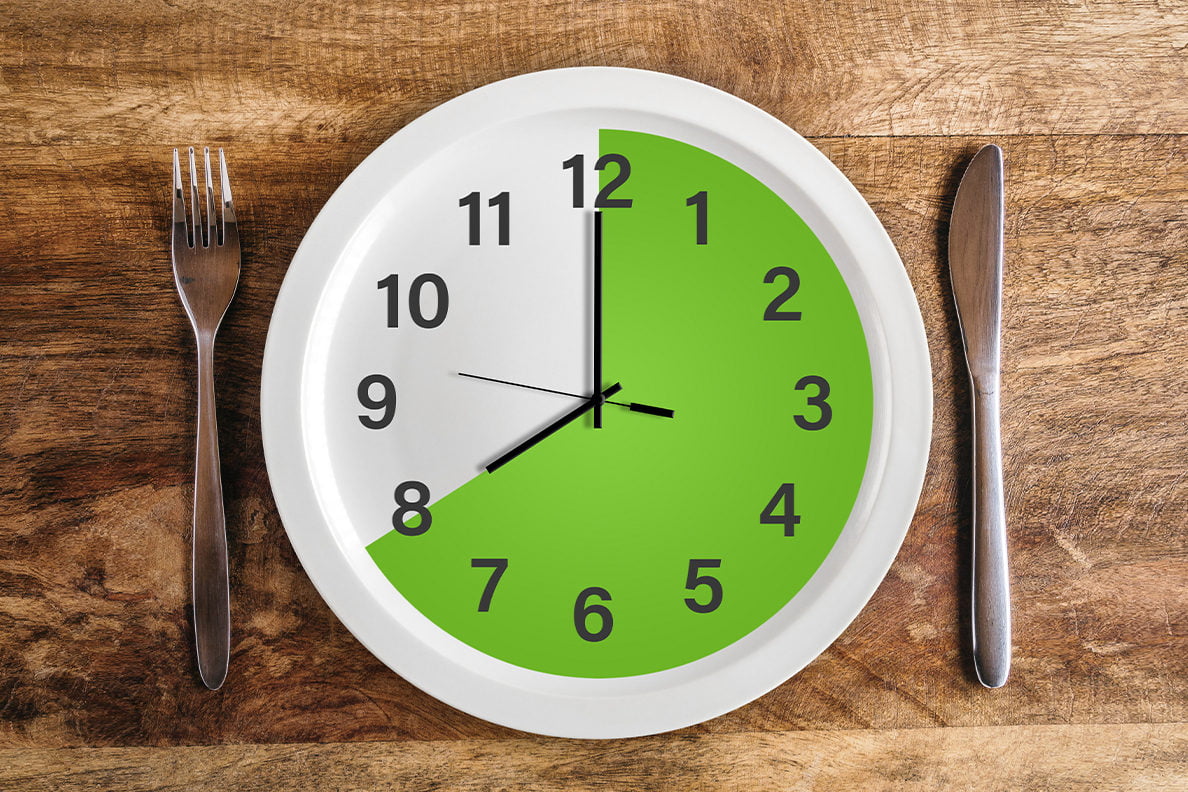
As a brain surgeon, neuroscientist, and father of three teenage boys, Rahul Jandial, 47, needs mental sharpness even more than most to get through his day. His strategy for achieving it is also unique.
He skips breakfast most days a week. And on Mondays and Thursdays, he eats only dinner.
In addition to promoting weight loss, so-called intermittent fasting may deliver a host of other surprising health benefits, from improved heart and brain health, to a lower risk of diabetes, and even a longer life, recent research shows.
While much of the research has been in animals, promising human trials are emerging, and dozens more are underway.
And thanks to how-to books like The Fast Diet, Jandial’s Neurofitness: A Brain Surgeon’s secrets to Boost Performance and Unleash Creativity, and endorsements by celebrities like Twitter CEO Jack Dorsey (who eats only one meal a day), people are beginning to ask their doctors about it.
“The evidence that intermittent fasting benefits the health of overweight people is already very strong, and its potential to slow or reverse certain diseases looks very good,” says Mark Mattson, PhD, a neuroscientist at Johns Hopkins University in Baltimore and author of a new article on intermittent fasting in The New England Journal of Medicine.
Born to Fast
As Mattson notes, agriculture has been around for only 10,000 years or so. Before that, our ancestors not only had to go without food for long stretches, but had to hunt while hungry — a task that requires mental and physical agility.
“From an evolutionary standpoint, we are genetically geared to function well in a food-deprived state,” he says. Read more
Read also: 5 Tips to Help You Nail a Perfect Pedicure at Home