

When you think of treating acne scars and rosacea, azelaic acid might not be the first ingredient that comes to your mind. It is a naturally occurring acid derived from grains and cereals. It’s one of the dermatologist choices due to its mildness and variability. Keep reading to know more about its effectiveness for acne-prone and rosacea-prone skin.
It penetrates deeper into the skin and removes dead cell. These dead cells play a role in clogging pores which leads to acne.
It has anti-bacterial activity. According to NYC-based dermatologists Francesa Fusco, it is bactericidal which is effective for Propionibacterium related acnes.
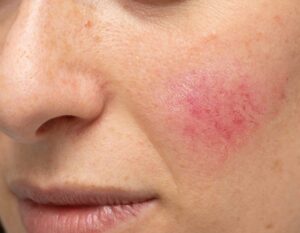
Azelaic acid is helpful to treat secondary infection due to rosacea. As skin becomes sensitive in rosacea, so it’s a less irritating option.
It’s a safe option for rosacea even during pregnancy, says Fusco. It’s good to consult your gynecologist before using it in pregnancy.
How to use it?
Apply a pea-size OTC or prescription product on a clean and dry area twice a day. If you have sensitive skin, apply it once daily. To make azelaic acid more effective, apply alpha-hydroxy acids (glycolic or lactic acid) or beta-hydroxy acids (salicylic acid) or retinol before applying azelaic acids. Then moisturize your face to keep it hydrated. Always remember to use sunscreen during day time.
Also Read: Ingredients to Get Rid of Blackheads and Whiteheads
For more Skincare news and Beauty latest updates please Like and Follow our Facebook Page and Instagram account…
 About the Author: Dr. Iqra Mubashar is a registered Pharmacist originally from Lahore, Pakistan. She has earned her pharmacy degree from the University of veterinary and animal sciences, Lahore. She has completed her internship as a trainee from Children hospital, Lahore. She has completed her research work in clinical pharmacy and pharmaceutics. She has worked as a healthcare documentation head in Al-Qasim enterprises, Islamabad. She has specialized in prescription handling, drugs information, literature research, patient counseling, and pharmaceutical care planning. Her research work on coronavirus is under publication.