
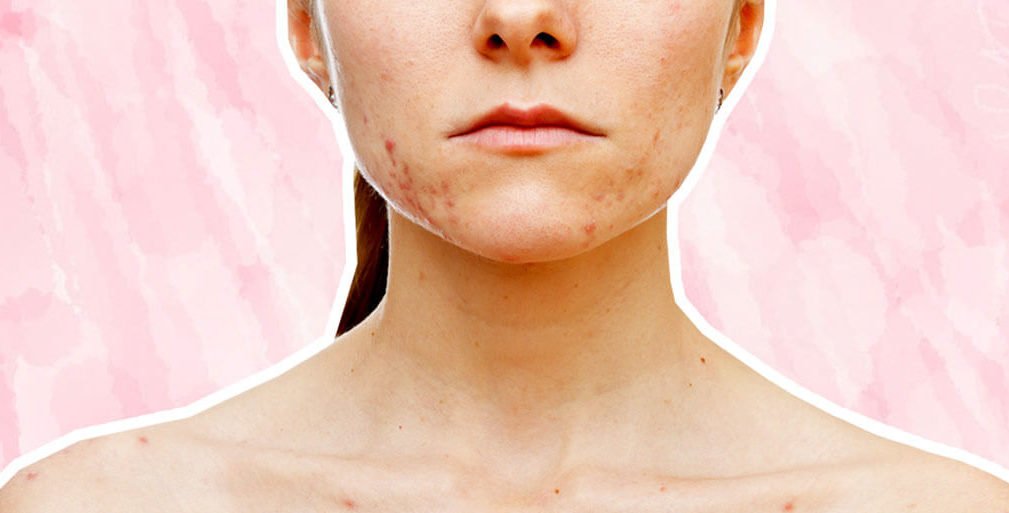
Few things are more infuriating than working overtime on your skincare regimen trying to blast acne, only for your efforts to barely pay off (if they even do at all). It’s the same old story over and over again: someone swears by a hack or a product — or you come across an “acne success story” on Insta or Pinterest, you get your hopes up and throw your money and time at said product or hack, and then walk away with little change in your complexion.
Eventually, it feels like there’s nothing left you can do except throw your hands up and erupt in frustration. Guys, so many of us have been there. We’ve been there. In my late 20s, I suddenly started developing a smattering of acne across my jawline and on my cheeks and absolutely nothing worked.
I smeared weird DIY pastes on my skin, swapped out my entire skincare regimen, and applied way too many abrasive acne treatments. It took me years — AKA way too long — before I decided to hit up a dermatologist, who immediately prescribed a little hormonal acne pill called Spironolactone (also referred to as Aldactone). That pill changed everything for me.
Today, with dermatologist insight, we’re answering all your Q’s on what so many people have dubbed the “miracle hormonal acne pill” to see if it could change everything for you, too.
What Is Spironolactone? And How Can It Help Treat Hormonal Acne?
In the same way that Latisse (the serum that grows lashes) was accidentally discovered when glaucoma patients suddenly started walking around with Disney-esque eyelashes, the original use for Spironolactone had nothing to do with hormonal acne.
“Spironolactone is traditionally considered a cardiovascular drug. [In short], it prevents your body from absorbing too much salt and keeps your potassium levels from getting too low, and is used to treat heart failure, high blood pressure, or low potassium levels,” explains Dr. Hadley King, a board-certified dermatologist based in New York City. “When used [to treat these disorders], a side effect was that it had an anti-androgen effect.”
In other words, the pill notably reduced the production of male hormones, including testosterone, which is linked to hormonal acne. This concept led to Spironolactone’s use for hormonal acne in women.