
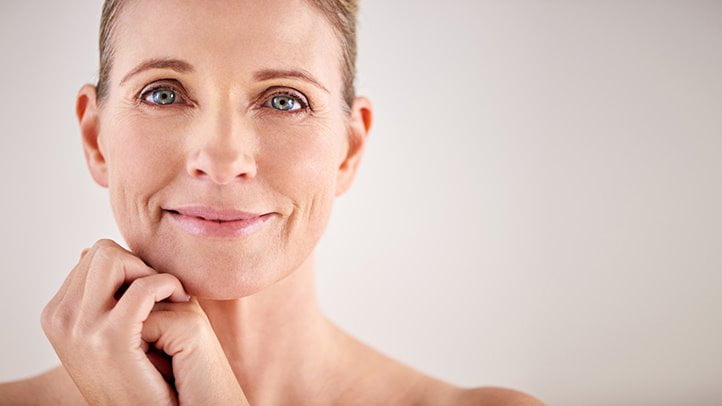
Skin is the first body part to show the signs of age. Healthy age-related skin changes are inevitable and include thinning, sagging, wrinkling and the appearance of age spots, broken blood vessels and areas of dryness. Unhealthy skin changes, such as skin cancer, are also more common as we age and are usually made worse by exposure to the sun.
Many people would like their skin to look as young as possible. Healthy lifestyle choices and good skin care can help you to minimise the signs of both healthy and unhealthy ageing.
There is a range of medical and surgical anti-ageing treatments available but these are not without risk. Make sure you have realistic expectations of the potential benefits and understand all the potential risks, complications and side effects of any treatment. Before having any surgical treatment, you should consult with a dermatologist or plastic surgeon.
Skin layers explained
The uppermost layer of the skin is called the epidermis. This layer contains pigment-producing cells (melanocytes) that give skin its colour. The epidermis renews itself constantly, with new epidermal cells arising from the lower cell layer of the epidermis. As the epidermal cells mature, they gradually rise to the surface of the skin where they ultimately die and are shed.
Beneath the epidermis is the dermis, which contains blood and lymph vessels, nerves, sweat glands and oil glands. Hair follicles are extensions of the epidermis that reach into the dermis. The dermis is made up of networks of elastic fibres (elastin) for suppleness and dense fibres (collagen) for strength. Finally, a layer of fatty tissue lies below the dermis to gives the skin its structure.
Signs of ageing skin
Some of the signs of healthy ageing skin include:
- Thinning – the basal cell layer of the epidermis slows its rate of cell production and thins the epidermis. The dermis may become thinner. Together, these changes mean skin is more likely to crepe and wrinkle.
- Sagging – older skin produces less elastin and collagen, which means it is more likely to sag and droop. Older skin is particularly vulnerable to the effects of gravity. For example, jowls along the jaw and bags under the eyes are simply skin that has yielded to gravity.
- Wrinkles – reduced elastin and collagen and the thinning of skin, mean those ‘high traffic’ areas of the face (like the eyes and mouth) are especially prone to lines and wrinkles.
- Age spots – the remaining pigment cells (melanocytes) tend to increase in number and cluster in certain areas, forming what’s known as age or liver spots. Areas that have been exposed to the sun, such as the backs of the hands, are particularly prone to age spots.
- Dryness – older skin has fewer sweat glands and oil glands. This can make the skin more prone to conditions related to dryness, such as roughness and itching.
- Broken blood vessels – blood vessels in older, thinner skin are more likely to break and bruise. They may also become permanently widened. This is commonly known as broken vessels.