
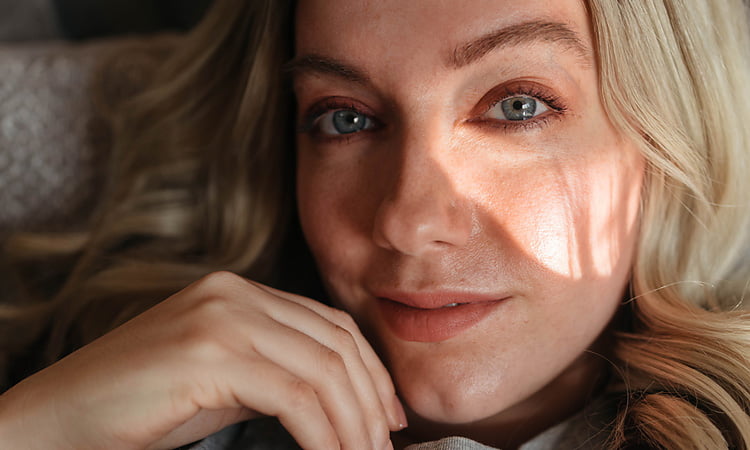
When it comes to your complexion, seeing red is not always a good thing—especially if you have sensitive skin that reacts from the slightest triggers. While facial redness is one of the most common skin issues to deal with, the whys and hows behind it are often a mystery. So here are some facts about redness to keep in mind the next time your skin is looking flushed.
- Redness comes in different forms.
Redness occurs when blood rushes to the surface of your skin and is commonly associated with sensitive or highly reactive skin. But flushing can also be caused by a number of reasons—from sunburn and extreme weather to allergies and rosacea, says Debra Jaliman, a board-certified dermatologist in New York City. “Rosacea and eczema are both genetic conditions, which can be treated with topical prescription medications,” she adds.
- Your skin care products and routine may also be to blame.
Not all skin care products are created equal, and some ingredients in your beauty products may be doing your skin more harm than good. “Redness can be caused by skin irritation or an allergic reaction from a certain ingredient in a product,” says Dr. Jaliman. Your daily regimen may also be the reason your skin is turning red or feeling extra sensitive. While cleansing and peels are a must for glowing skin, things can easily take a turn when it’s overdone or when using the wrong formula or ingredients for your skin type. Think weakened skin barrier and dry, inflamed complexion. For deep cleansing without the irritation, try a gentler formula like EltaMD Foaming Facial Cleanser or iS Clinical Cleansing Complex.
- Diet and lifestyle can also be a trigger.
Long nights, poor diet and stress don’t only take a toll on your overall health, they’re also bad news for your skin. “Avoid spicy foods, alcohol, hot tea or coffee, citrus and tomatoes,” says Dr. Jaliman, as these are known to trigger and worsen redness. Temperature changes can also affect your skin, so skip the sauna and exercising outdoors if you’re trying to lessen the flushing. - Redness can look different on different shades of skin.
“I am a BIPOC dermatologist (of Hispanic and Middle Eastern descent), who treats a large, diverse population, so I have noticed that redness can present differently in different population types,” explains Anna H. Chacon, MD, a board-certified dermatologist in Weston Fla. “In fairer skin types, it may be more predominant, and the skin might look more reddish pink. In darker skin types, redness or inflammation may sometimes present with more purplish or hyperpigmented tones,” she says. Eczema, for example, is often described as dry and itchy red patches on lighter skin. On skin of color, it can appear ashen, brown or grayish, instead. When identifying what causes redness on skin of color, Dr. Chacon advises looking out for other symptoms like swelling, warmth, itching and time frame for the condition.
Read full story on dermstore.com