
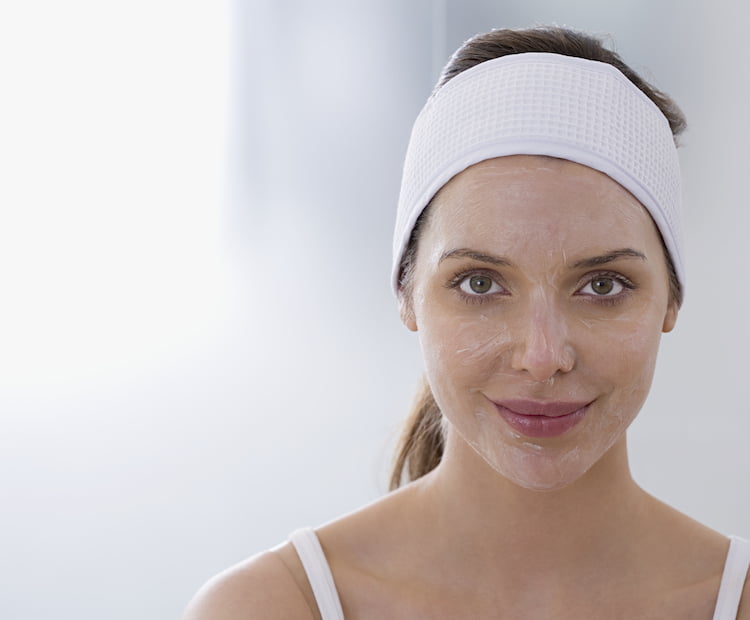
We’ll try just about anything to turn back the time on the too many days spent in the sunshine or rid our faces of acne scars. Although the fountain of youth may be fictitious, the chemical peel is the real deal. The words “chemical” and “peel” may sound scary at first, but this FDA-approved treatment literally gives you a fresh face of skin—and it’s been growing in popularity, with approximately 1.36 million treatments received in 2016.
The chemical peel is the process of applying a chemical solution to the skin to smooth out its texture. It can be used to treat many skin issues like acne, fine lines, wrinkles and hyperpigmentation. A form of chemical exfoliation, a peel allows your skin to shed off a layer, making room for new, healthier skin. “Peels are great for everyone to do,” says board-certified dermatologist, Dr. Ashley Magovern. “They slough off tired, dull skin cells and stimulate fresh healthy skin, allowing for accelerated cell turnover and the stimulation of collagen-making cells.”
To learn how to prepare yourself for a chemical peel properly and what to expect during and after the procedure, we sought advice from both Dr. Magovern and esteemed clinical aesthetician Jennifer Gerace.
How to Prepare for a Chemical Peel
1. Choose the Right Type of Peel for Your Skin
Before making the decision to get a chemical peel, Gerace recommends getting the opinions from at least three providers first, noting that “providers should take into consideration your age, the color of your skin and overall skin condition.” Don’t be fooled by the one-size-fits-all peel, as “the peel’s intention should be very specific to the patient’s needs,” she says.
2. Stop Using At-Home Exfoliants
To prepare the skin for the treatment, be sure to stop the use of all at-home exfoliants in the days leading up to your appointment. Exfoliants like retinol and salicylic acid hide in many of our beauty products. If you continue to use them before your appointment, it can cause trauma to the skin, which may result in more damage. If you have sensitive skin, it is recommended to stop using physical exfoliators like face scrubs and devices such as the Clarisonic.
3. Keep Your Skin Hydrated
Dr. Magovern stresses the importance of keeping your skin hydrated and moisturized before your appointment. “Try to keep your skin as hydrated as possible,” she says, also noting that “you may want to stop any creams or serums that may be causing dryness for two to three days.”
4. Evaluate Your Prescriptions
Also, take into consideration any anti-acne or anti-aging prescriptions you are using, as these might affect the way your skin reacts to a chemical peel. If you need help determining if your products are okay to use prior to your chemical peel, talk to your dermatologist or esthetician who will be able to assist you.
Read full story on Dermstore
Also Read: 8 Common Skin Care Myths, Debunked