
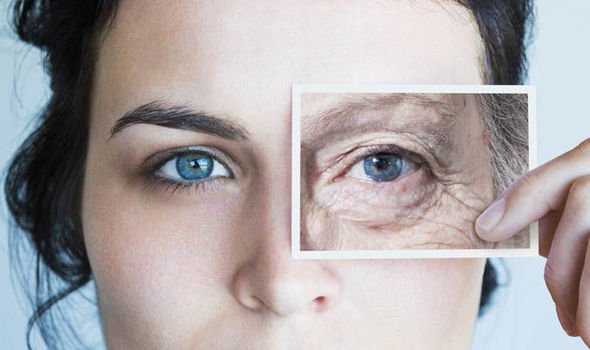
Crepey skin is thin and looks finely wrinkled like crepe paper. It may also sag or feel loose. While crepey skin is similar to common wrinkles in many ways, the condition tends to impact larger areas, and this skin feels noticeably more fragile and thin. It is most common under the eyes and on the upper inner arms.
Causes of crepey skin
Sun damage is the most common cause of crepey skin, but it certainly isn’t the only cause. They can also result from aging, a lack of moisture, excessive weight loss, or any combination of these.
The ultraviolet light in the sun’s rays break down collagen and elastin in skin that help it stay tight and wrinkle-free. Once these fibers break down, the skin can loosen, thin, and wrinkle.
Age is also a factor. You produce less collagen and elastin — the fibers that help your skin look supple and smooth — the older you get. Pollution, stress, and smoking cigarettes all take a toll on skin over your lifetime and can contribute to visible signs of aging.
Crepey skin treatments
Multiple treatments may be used to reduce crepey skin and improve skin health. Your particular skin, the cause of creping, and the location on your body will determine what treatments are best. Regardless of what you choose, the sooner you treat this skin, the easier it will be to create a noticeable change in its appearance, texture, thickness, and support. Your dermatologist can help you determine the right treatments for your skin and make sure you are properly diagnosed.
Dermatological treatments
Dermatological treatments that can treat crepey skin include:
Topical retinoid
Either in a cream or gel, retinoids encourage exfoliation and speed cell turnover. However, these products can be drying and make crepey skin worse if they aren’t also used with proper precautions and a hydrating moisturizer.
Fractional laser treatment
This treatment uses lasers to heat up small areas under your skin, which encourages the growth of new collagen. This helps to support your skin and smooth out wrinkling from the inside out. Crepey skin around the eyes responds well to treatment with the Fraxel dual laser according to Dr. Kassouf.
Ultrasound
Similar to a fractional laser treatment, Ulthera is a skin-tightening procedure that uses targeted ultrasound to heat the supporting tissues below your skin. This intense heat breaks down some of the cells and stimulates the growth of collagen to tighten your skin. This treatment is typically used on the face and neck and not on the upper arm. That’s because topical anesthetics aren’t effective, and nerves in the upper inner arm can make the treatment uncomfortable. Read More……….
Also Read: Apricot Rosehip Body Butter Recipe for Face and Body