

White snow, warm blankets, festive holiday gatherings– winter brings in lots of good times.
But in colder climates, keeping yourself healthy and strong can be downright challenging. Plus, winters can be especially harsh on the skin, and you may end up applying plenty of moisturizers to combat dryness but to no avail.
With a little planning, it is possible to eat healthy to provide your body with plenty of nutrients and your palate with plenty of flavor all winter long. Also, eating healthy can protect your skin despite dropping temperatures.
There are certain foods that you must surely include in your winter diet.
1. Oranges
Oranges are one of winter’s best citrus fruits. They contain high levels of vitamin C, an antioxidant that several cells of the immune system require to perform their tasks, especially phagocytes and T-cells.
Eating an orange daily will reduce the risk of vitamin C deficiency, which may result in a reduced resistance against certain pathogens.

The potassium in them helps protect your skin against harmful ultraviolet (UV) sunrays. The amino acids in them also benefit your skin.
This juicy fruit is also very low in calories.
Enjoy a fresh orange daily. You can also throw orange slices into a savory salad.
2. Carrots
While sitting under a blanket, munching on a sweet carrot or sipping hot carrot soup is something that many like to do.
In fact, carrots are one of the must-have foods in the winter season.

This root vegetable contains high amounts of beta-carotene, which the body converts into vitamin A. Vitamin A strengthens the immune system, helping to protect against infection and reduce the risk and duration of respiratory problems by keeping the lungs healthy.
Plus, carrots keep the skin healthy, glowing and vibrant during the winter months. The vitamin A and various other antioxidants in them help in repairing damaged skin tissue. It also helps keep the skin moisturized and prevents dryness and flaky skin.
You can use carrots in salads and soups, as well as eat them as a stand-alone vegetable for snacks and side dishes.
3. Beetroots
Bright red beetroots and their green leaves not only add color to your winter salad or soup dish but also help you remain healthy.
Beetroots are packed with beneficial phytochemicals and antioxidants that protect the immune system by fighting off free radicals that harm healthy cells and their DNA.
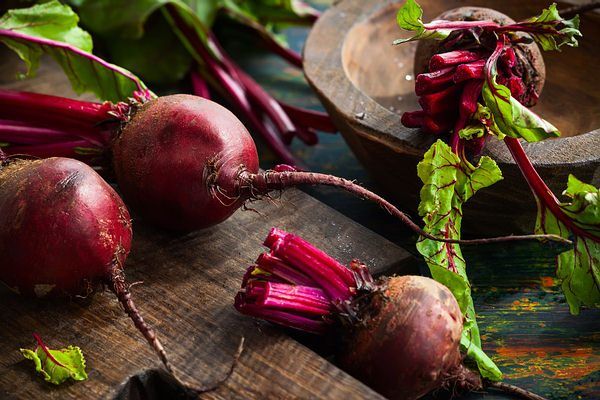
Even the green leafy tops are rich in vitamin C, beta-carotene, calcium, iron and magnesium.
You can eat this bright, sweet root vegetable baked, steamed or pickled. Beetroot salad and soup are also popular.
4. Eggs
Eating whole eggs during the winter months is vital. The yolk contains over 90 percent of an egg’s calcium and iron and the white contains almost half the egg’s protein. In fact, eggs contain proper proportions of all nine essential amino acids required by the body. Read more