
Writer: Dr. Elli Reyes
If retinol is a big no-no for you because of your sensitive and reactive skin, do not fret-Bakuchiol (but-Koo-chee-all) is here to save the day!
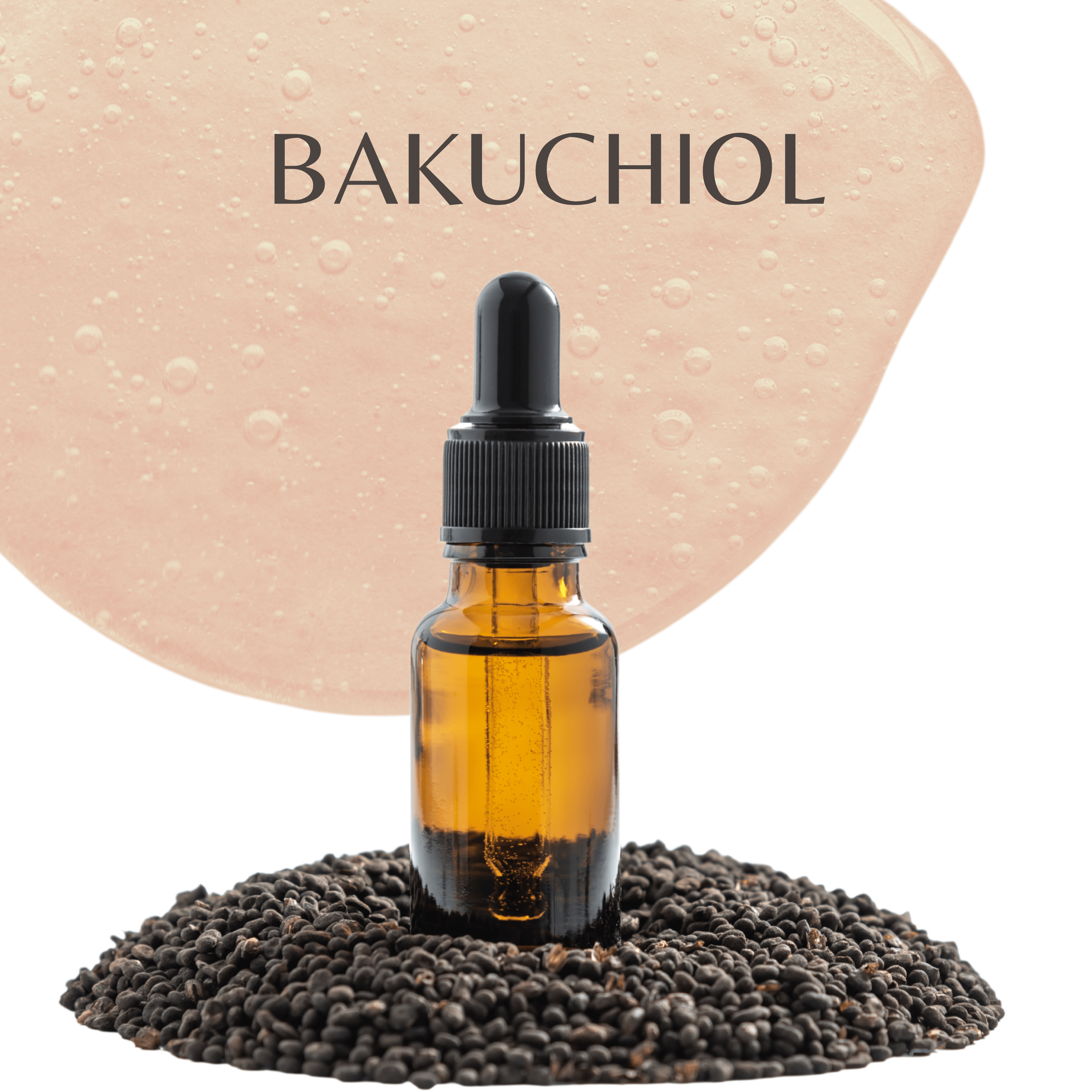
While retinol is a vitamin A derivative, Bakuchiol is a plant that has been used in Indian and Chinese medicine for generations. It comes from the babchi plant, scientifically called Psoralea corylifolia.
Its seeds and leaves have been a default remedy in Ayurvedic and Traditional Chinese Medicine for vitiligo and psoriasis due to its anti-inflammatory, antioxidant, and healing properties.
Although it has been around the skincare realm since the 1970s, its anti-aging benefit has only been popularized recently.
Skincare enthusiasts have discovered that Bakuchiol stimulates the synthesis of collagen I, III, and IV1 making it a good treatment for skin renewal. It is also a potent antioxidant and anti-inflammatory, it can reduce wrinkle formation and correct skin pigmentations without the usual sting and redness from retinol.
Sounds too good to be true?
Fortunately, there is enough evidence to believe these claims.
Although Bakuchiol is structurally different from retinol, Chaudhuri and Bojanowski2 were able to show in their study that its mechanism of action is similar to retinol.
According to Dhaliwal and company3, a twice-daily application of 0.5% Bakuchiol for 12 weeks can reduce wrinkle formation and lighten pigmentations.
So yes, Bakuchiol is a natural and more tolerable alternative to retinol.
Also Read: Benefits of using a Face Mask
For more Skincare news and Beauty latest updates please Like and Follow our Facebook Page and Instagram account…

About the Writer: Dr. Elli Reyes is a specialist in Aesthetic Medicine from the Philippines. With over four years of specialized training, her aesthetic practice has involved a variety of skin treatments involving Botox, fillers, and the like. As a licensed physician, she has been engaged by multiple clinics and is regularly interviewed by the local media as an expert in the science of the skin. Her research and writings to date have centered on nutrition, functional health, and general beauty.