
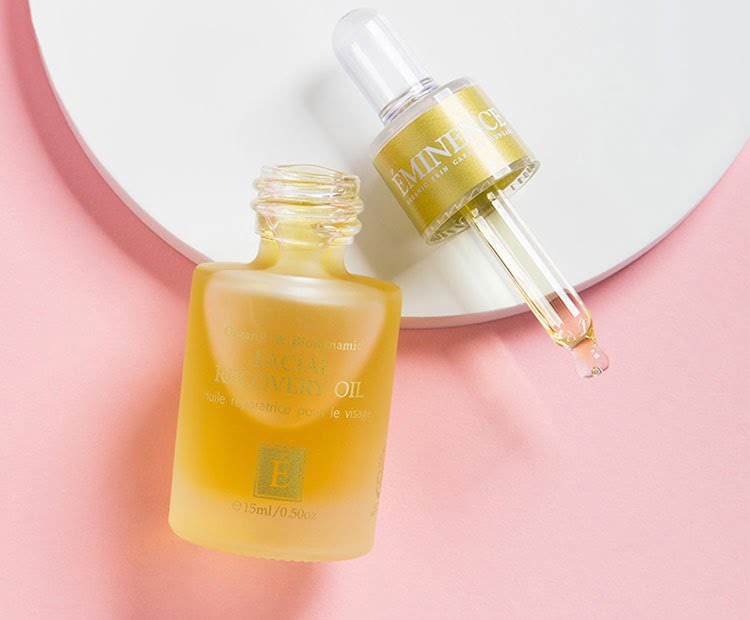
Now that more attention than ever before has been drawn to the ingredients list on our skin care and beauty products, we consumers want to know what companies are encouraging us to put all over our precious face and body. For this reason, one of the biggest buzzwords in the industry is “organic,” which essentially means naturally derived, or free of pesticides, herbicides, synthetic fertilizers, etc. But there’s actually another step after organic: it’s called “biodynamic,” which is essentially the truest method of growing ingredients and creating healthy products.
What Is Biodynamic?
The term itself means “life in motion and balance,” and is actually a farming practice developed in the 1920s. “The basis of biodynamic farming uses nature’s elements to grow crops with the harmony of the seasons and the alignment of the earth, the stars and the moon. It’s the way farmers have been growing plants for centuries,” explains Attila Koronczay, co-owner of Eminence Organic Skin Care.
Other elements of biodynamic farming, he explains, include seasonal and annual crop rotation to keep the soil healthy, companion planting (some plants grow best next to others), no chemical pesticides (ladybugs are a natural option!), no genetically modified organisms and no synthetic fertilizer.
Biodynamic vs. Organic
So how is it really different than organic? Biodynamic farming guides incorporate the moon cycle. “The full moon draws the tide and water deep underground higher to the soil’s surface, meaning the seeds have greater chance of thriving from the earth’s natural water sources,” Koronczay explains. “Similar to a Farmer’s Almanac, a biodynamic calendar is released based on the stars, the moon and the seasons.” For example, days are categorized into “fruit,” “flower,” “leaf” or “root.” According to Koronczay, you should harvest fruit on “fruit” days for the best tasting, most nutrient-rich crop yield, and harvest all “roots” such as carrots on “root” days. Read more