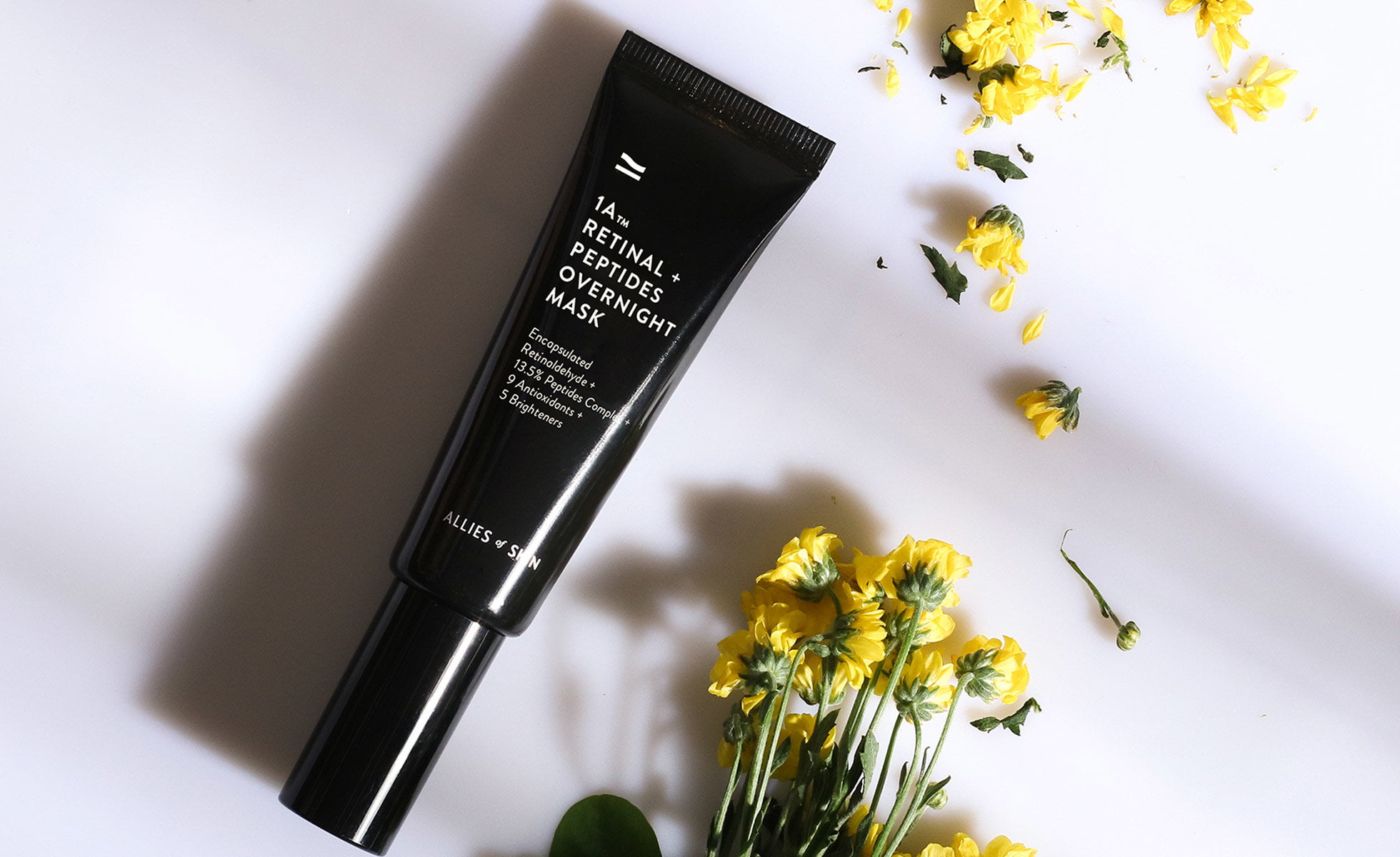
Retinol and other retinoids are widely considered to be some of the best anti-aging ingredients available—and for good reason. There’s a ton of research supporting these vitamin A derivatives’ ability to reduce the signs of aging, including fine lines, wrinkles, sun damage, and loss of firmness. Once applied, retinoids work on a cellular level to neutralize free radicals and boost the production of collagen, elastin and hyaluronic acid deep within the skin. They also help to increase the turnover of surface skin cells, reduce the tendency of oil and debris to clog up your pores, and fade dark spots and hyperpigmentation.
Interested in adding a retinoid to your skincare routine? Before you do, it’s important to understand a bit of the science behind retinoids. Human skin can only use the active form of vitamin A: retinoic acid. So the enzymes in our skin have to convert topical retinoids, like retinol, into retinoic acid before we can reap their benefits. Generally speaking, the more mild retinoids have to go through a longer conversion process, while more potent retinoids quickly convert into retinoic acid. Due to this longer conversion process, mild retinoids tend to be better for sensitive skin and retinol newbies, as they’re less likely to cause irritation (think redness and peeling).
With that in mind, scroll on for a breakdown of the most common retinoids you’ll come across in skincare products—from the mildest to most potent.
1. Bakuchiol
Bakuchiol is a plant extract that’s often lumped in with retinoids due to its retinol-like effects, but it’s not a true retinoid. Bakuchiol has been shown to help reduce discoloration, lines and other signs of aging, like retinol but without the irritation.
 From the Shop:
 From the Shop:
- PSA Skin Midnight Courage: Rosehip & Bakuchiol Night Oil
- Boscia Cherry Blossom and Bakuchiol Resurfacing Lip Repair
- Omorovicza Miracle Facial Oil. Read more
Also Read: Did you know that caffeine can prevent skin aging?