
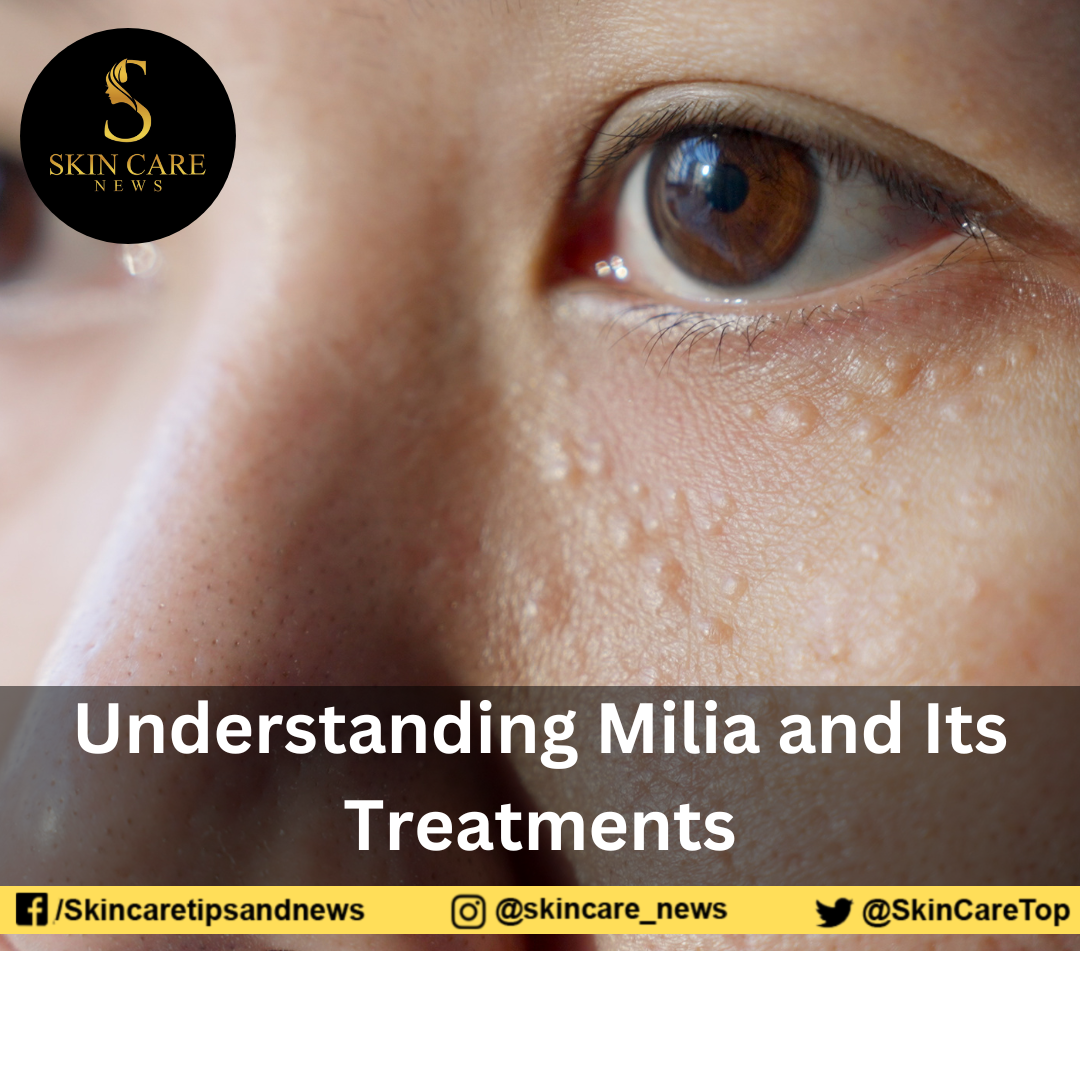
Understanding milia and its treatments are small, white or yellowish bumps that appear on the skin, most commonly on the face, particularly around the eyes, cheeks, and nose. They occur when keratin, a protein found in skin, hair, and nails, becomes trapped beneath the surface of the skin, forming a cyst. Milia are common in newborns but can also affect adults. They are typically harmless, but some people may find them cosmetically undesirable.
Causes of Milia
Milia can be caused by several factors, including:
- Skin trauma or injury: Burns, blisters, or damage from cosmetic procedures like laser treatments or dermabrasion.
- Heavy skincare products: Thick creams or oil-based products can block pores and contribute to the formation of milia.
- Sun damage: Prolonged sun exposure can make the skin thicker and more prone to trapping dead skin cells.
- Genetic factors: Some individuals may be more prone to developing milia due to hereditary factors.
- Chronic skin conditions: Certain skin diseases can lead to milia formation.
Treatment Options for Milia
While milia often go away on their own, there are several treatments that can help speed up the process or remove them more effectively:
- Exfoliation Regular exfoliation helps remove dead skin cells that can contribute to milia. Gentle exfoliants containing alpha-hydroxy acids (AHAs), beta-hydroxy acids (BHAs), or retinoids can help smooth the skin and prevent new milia from forming.
- Topical Retinoids Prescription retinoid creams like tretinoin or over-the-counter retinol can help to promote cell turnover and prevent clogged pores, aiding in the removal of milia over time.
- Professional Extraction If milia persist, a dermatologist or trained skincare professional can extract them using a fine needle or lancet. This process is quick but should only be performed by a professional to avoid infection or scarring.
- Chemical Peels Light chemical peels using glycolic acid, salicylic acid, or other chemical exfoliants can help slough off dead skin cells and promote new skin growth, reducing the likelihood of milia formation.
- Laser Therapy For stubborn or widespread milia, laser therapy may be an option. This treatment uses focused light to remove the outer layers of the skin, making it easier to treat clogged pores.
- Cryotherapy In some cases, cryotherapy (freezing the milia) is used as a treatment. This method can be effective, though it may leave temporary redness or dark spots.
At-Home Care and Prevention Tips
To prevent milia and manage existing ones, follow these skincare guidelines:
- Use gentle cleansers: Avoid harsh scrubs or drying soaps that can irritate the skin.
- Moisturize wisely: Opt for lightweight, non-comedogenic moisturizers that won’t clog pores.
- Sun protection: Regular use of sunscreen can prevent sun damage, which may contribute to milia formation. Use SPF 30 or higher, especially on your face.
- Avoid heavy makeup: Thick or oil-based cosmetics can block pores and contribute to milia. Choose lighter formulas whenever possible.
- Don’t squeeze: Trying to pop or remove milia on your own can lead to scarring or infection. Instead, consult a dermatologist if they persist.
When to See a Dermatologist
Although milia are generally harmless, you should see a dermatologist if:
- The bumps are persistent or bothersome.
- You develop large clusters of milia or they occur in unusual locations.
- You notice any signs of infection, such as redness, swelling, or pus.
Final Thoughts
Milia are small but common skin conditions that are usually harmless. With proper skincare and professional treatments, they can be managed effectively. Maintaining good skincare habits, such as regular exfoliation and sun protection, can help prevent milia from forming in the future. If over-the-counter treatments are ineffective, consult a dermatologist for specialized care.
Read also: Ice: The Ultimate Skin Savior