
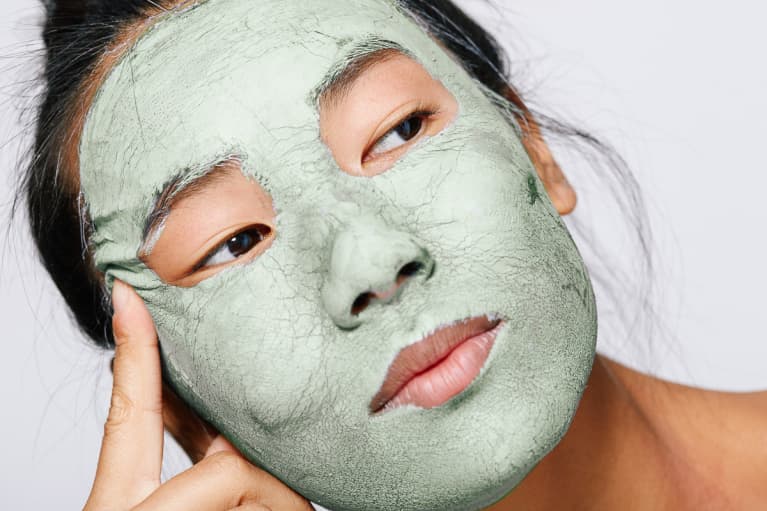
Allow us to remind you: Seaweed is hot right now. From its gut-healthy benefits to enhancing the skin microbiome, seaweed is a product you’ll want to have on your shelves (be it in your fridge or in your bathroom). But when it comes to the holy grail that is seaweed skincare, there is one caveat to be mindful of. According to board-certified dermatologist and founder of MMSkincare Ellen Marmur, M.D., if you’re using this one product, you should proceed with caution.
Because algae is an active ingredient that promotes cell turnover, it has benefits similar to those one would hope to gain from using retinol. It’s also a great thickening agent (thick skin is healthy skin), which is why many beauty brands have included this clean ingredient in their formulas.
Using seaweed can even help promote collagen production, adding a hydrating element to your skin without disrupting the natural balance of the microbiome.
Marmur agrees as she says, “Algae promotes blood circulation, provides the skin with moisture, and regulates the sebaceous gland function. It activates cell renewal, increases the skin’s resistance, and has an anti-inflammatory effect. The proteins in algae supply skin cells with energy, while the mucus substance protects the skin from drying out.” Because of these benefits, it might not be the best idea to layer the two active ingredients, especially one as strong as retinol.
To seaweed, or not to seaweed?
If you’re choosing between the two, it pretty much depends on your skin condition. If you’re facing severe acne, milia, or hyperpigmentation, a dermatologist might prescribe Retin-A—the more powerful form of retinol that also may cause more side effects. Whereas if you want the smoothing effect of a retinoid without those irritating symptoms (read: dry, inflamed skin), an algae-derived product might just do the job.
Also Read: 10 DIY Carrot Face Mask Recipes For Beautiful Skin