
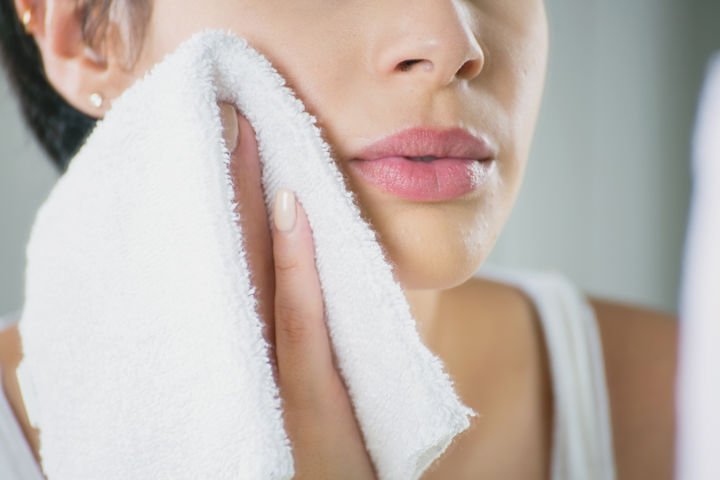
Nothing ruins a good night’s sleep more than the surprise arrival of a giant pimple to greet you in the morning. Lurking under the surface of your skin, inflamed acne is the most frustrating kind, as its life cycle lasts longer than your average blemish. But by using these inflammation-targeting and skin-calming solutions, you can feel free to show the world your face again—no sick day necessary.
Skin Cycle Shutdown
A pimple is not always a pimple by any other name. Non-inflammatory acne includes blackheads and whiteheads, while inflammatory acne includes pimples, red pustules, and larger lesions that are formed when sebaceous glands flare-up. An overproduction of sebum leads to a rupture, which then begins to store bacteria, causing an inflammatory reaction. This inflammation is responsible for redness, swelling, and pain associated with acne cysts. The more severe the acne, the more the immune system responds.
All About Acids
Hydroxy acids—alpha-hydroxy acid (AHA) and beta-hydroxy acid (BHA)—are often the first line of defense against acne inflammation. These compounds come in over-the-counter topical creams, gels, and washes. The antibacterial and anti-inflammatory properties of benzoyl peroxide, a BHA, make it an effective agent, but since it also induces peeling, it can make skin dry and irritated or cause a burning sensation. Salicylic acid, often included under the BHA umbrella, is also anti-inflammatory, as well as mildly antibacterial and exfoliating, and is generally gentler on the skin than benzoyl peroxide. Meanwhile, AHAs like glycolic and lactic acid are exfoliants and keep the surface of the skin clear of debris—reducing the amount of pore-clogging activity.
Viva Vitamin A
Vitamin A derivatives such as retinoids can also indirectly put a stop to acne inflammation. They help unclog pores, let sebum and bacteria flow out freely, discourage bacteria from growing, and inhibit the immune system’s inflammatory responses. Tretinoin is a common type, often used together in combination therapy with benzoyl peroxide or antimicrobial formulas. Watch out for scaling and burning, which sometimes crop up. Topical antibiotics can also help inhibit bacterial growth and reduce inflammation, although they may also cause peeling, itching, burning, and dryness.
Also read Homemade Peel Off Face Masks for Healthy and Clear Skin