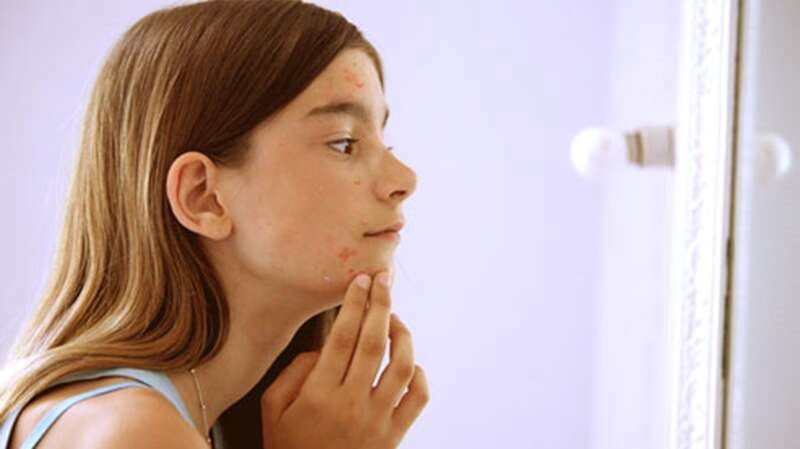
Acne is the #1 most common skin condition in the United States. According to the American Academy of Dermatology, acne affects a staggering 50 million people annually. Though the majority of people experience acne between the ages of 12 and 24, this can occur at any stage of life and continue well into adulthood.
While it may seem like we have no control over these pesky breakouts, here at Dermstore we’re all about uncovering the best products to help shoppers tackle common skin concerns like acne. To learn some additional truths about this topic, we attended La Roche-Posay’s Acne Dermclass at the Mondrian Hotel in West Hollywood to get the facts about acne and how to achieve a clearer complexion.
Alongside the brand and some of beauty and fashion’s best influencers, we got the chance to participate in a live panel hosted by board-certified dermatologist Dr. Annie Chiu, where she answered our top questions about acne and skin care. See what the doctor has to say about post-partum acne, her take on blue light devices and more!
1. Acne and rosacea may look alike, but they’re not the same.
According to Dr. Chiu, acne and rosacea are both characterized by underlying inflammation. But while anti-inflammatory ingredients like sulfur can be very effective for treating these conditions, she urges the importance of knowing your specific condition—as acne and rosacea can sometimes look alike but act differently. “Rosacea is more characterized by central facial redness, bumps and pore prominence over the nose and center part of the face. It can be hard to tell, so if you are unclear, consult a dermatologist since acne treatments like benzoyl peroxide or retinol can at times worsen rosacea,” she says. Read more